Skip to content
Treatments

Spinal Surgery

World-class spinal surgery in London. Specialists in minimally invasive, day-case neck and back procedures with a focus on motion preservation.

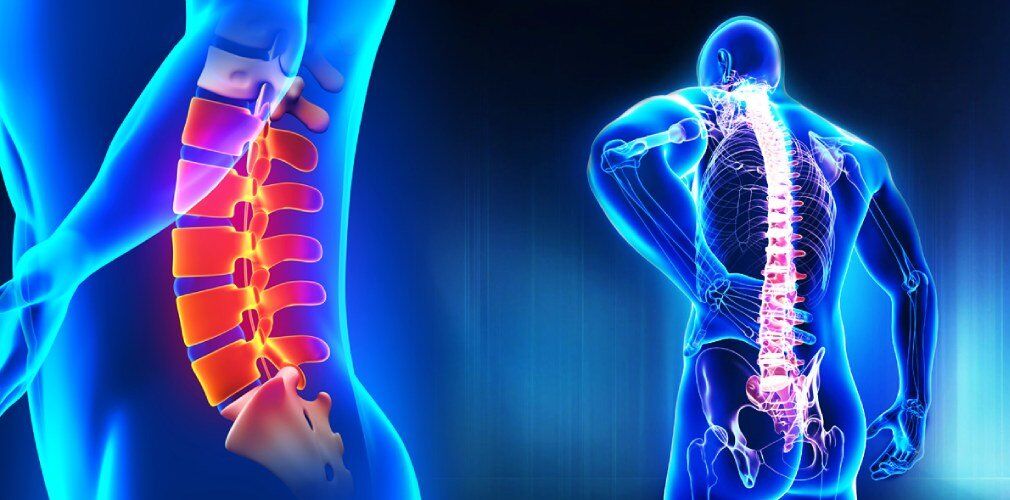
The Harley Street Hospital — home to The London Spine Unit — is a recognised centre of excellence for spinal care. Our consultant spinal surgeons treat the full range of neck and back conditions, from back pain and sciatica to complex deformity, using the latest minimally invasive and motion-preserving techniques.

Many of our procedures are performed as day cases, often without a general anaesthetic, so patients can be up, walking and home the same day. We exhaust non-surgical options wherever possible — more than 90% of the patients we see are managed successfully without surgery — and rapid-access diagnostics, including same-day MRI, CT and low-dose EOS imaging, mean an accurate diagnosis without delay.
Specialist spinal treatments

Advanced, minimally invasive spinal care

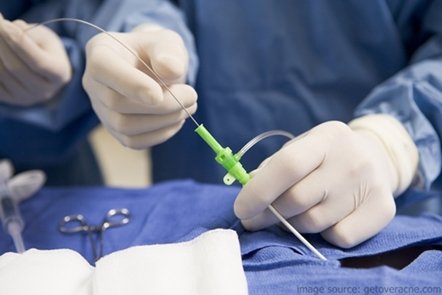
From day-case laser and keyhole surgery to motion-preserving implants and image-guided pain management — many of our spinal treatments are performed without a general anaesthetic, with patients up and walking the same day.

Featured article Spinal Surgery as a Day Case Why, in carefully selected patients, same-day discharge can match overnight admission for safety — while speeding recovery. Read the evidence →
Laser Disc Surgery

Laser Disc Surgery

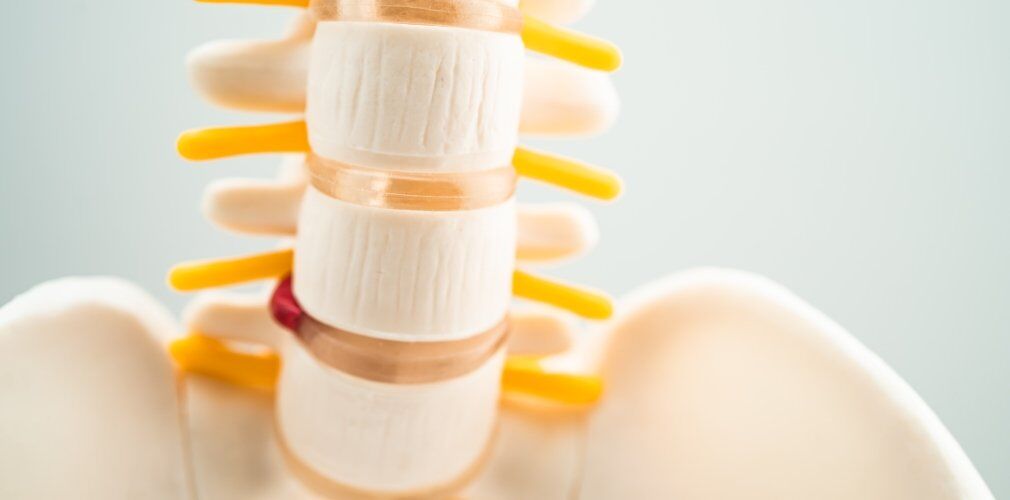
Laser Disc Surgery — also known as percutaneous laser disc decompression (PLDD) — is one of the most advanced, minimally invasive ways to treat a prolapsed or bulging disc. A fine laser fibre is guided precisely into the disc under real-time X-ray guidance, and regulated laser energy vaporises a tiny volume of the disc's core. This lowers the pressure inside the disc so the bulge retracts away from the trapped nerve, relieving sciatica.

It is a NICE-approved procedure with high success rates, performed as a day case — there are no large incisions and most patients return to normal activity within days. The technique must be carried out by a specialist trained and experienced in laser spine surgery at a certified centre.

How it works

Because the intervertebral disc is a sealed, fluid-filled space, removing even a small amount of its central nucleus produces a disproportionately large fall in internal pressure. The contained bulge shrinks back and the nerve root is decompressed — without cutting bone, muscle or ligament.

The evidence

A randomised controlled trial comparing laser decompression with conventional microdiscectomy found comparable two-year outcomes between the two approaches, supporting PLDD as a less invasive option in carefully selected patients.

Conditions treated

  • Back pain
  • Sciatica
  • Radiculopathy (nerve pain)
  • Contained disc prolapse
  • Spinal stenosis

The Harley Street Hospital is an approved centre for laser spine treatments.

Learn more at The London Spine Unit →
Dynamic (Flexible) Stabilisation

Dynamic (Flexible) Stabilisation

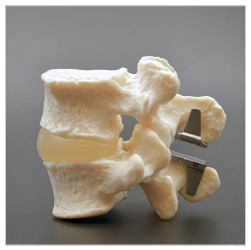
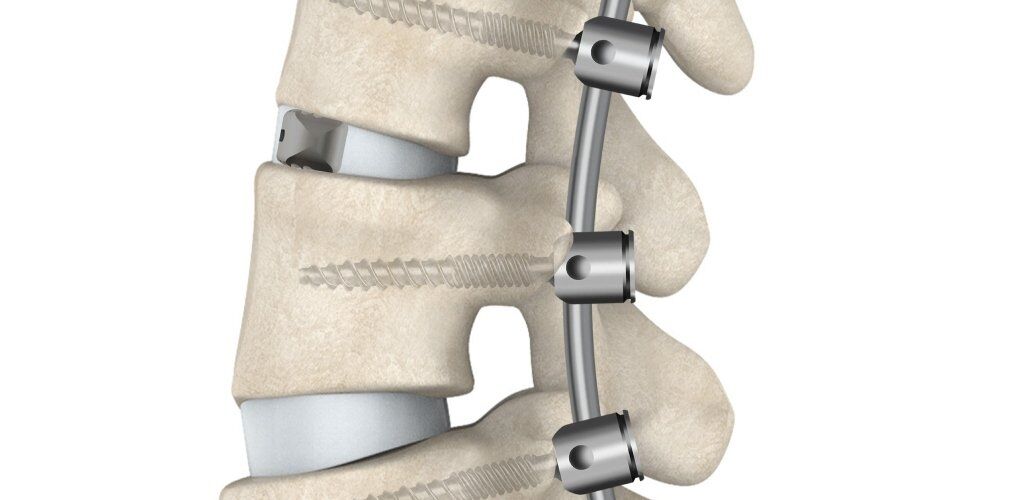
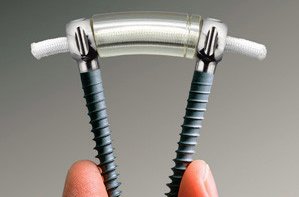
Dynamic Stabilisation is a motion-preserving alternative to lumbar fusion surgery. Flexible titanium or silicone implants — spacers or flexible rods — are inserted through keyhole surgery between the vertebrae to cushion and offload the painful structures of the spine, such as facet joints, degenerate discs and strained muscles.

Unlike rigid fusion, it maintains controlled movement at the treated level, which helps protect the discs above and below from accelerated wear.

Why preserve movement?

Rigid fusion permanently locks vertebrae together. While this can settle pain, it transfers extra load to the segments immediately above and below, which may wear out faster — a process known as adjacent-segment disease. Dynamic stabilisation offloads the painful level while allowing it to keep moving, helping to protect neighbouring discs.

What to expect

The implants are placed through small incisions, so recovery is typically quicker and less painful than open fusion, and the option of future surgery is kept open.

Conditions treated

  • Back pain
  • Spinal stenosis
  • Foraminal stenosis causing sciatica
  • Facet joint pain
  • Disc degeneration

Our surgeons are among the UK’s leading experts in dynamic spinal stabilisation.

Spinal Disc Replacement

Spinal Disc Replacement

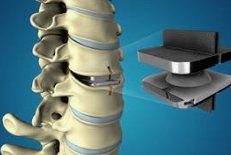
Disc Replacement Surgery replaces a degenerated disc with a mobile implant that preserves movement and retains the natural balance of the spine. It is an alternative to spinal fusion, which can place extra stress on adjacent discs and lead to accelerated degeneration and future problems.

It is particularly relevant where disc degeneration affects one or more levels. In the neck, where an artificial disc is not suitable, anterior cervical discectomy and fusion (ACDF) remains a reliable and well-established option.

How it works

The worn disc is removed and replaced with an engineered implant that mimics the disc's natural range of motion. By keeping the segment mobile, it aims to relieve pain while sparing the adjacent discs from the extra strain that follows fusion.

The evidence

A randomised controlled trial with five-year follow-up found that lumbar total disc replacement delivered better pain relief and fewer re-operations than fusion for single-level degenerative disc disease.

Conditions treated

  • Back and neck pain
  • Sciatica
  • Trapped nerves
  • Bulging discs
  • Spinal stenosis

If you have been offered lumbar fusion surgery, we are happy to provide a second opinion.

Learn more at The London Spine Unit →
Keyhole Spinal Stenosis Day Surgery

Keyhole Spinal Stenosis Day Surgery

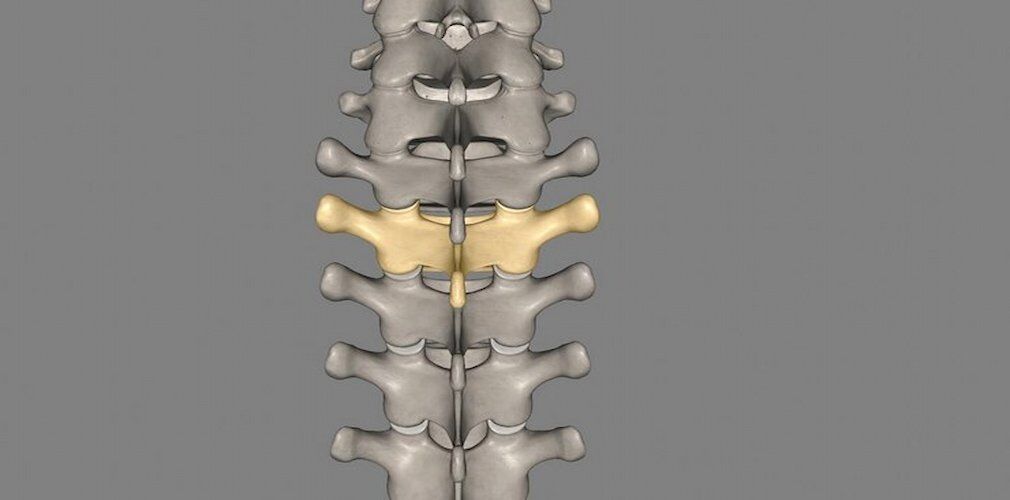
Spinal stenosis — narrowing of the spinal canal — compresses the nerves and causes pain, tingling or numbness in the legs when walking or standing, with relief on sitting. It becomes increasingly common after the age of 40 and very common after 65.

Our keyhole day-surgery decompresses the affected nerves while preserving bone and avoiding the instability that can follow a traditional laminectomy or open decompression.

Recognising the symptoms

The classic pattern is neurogenic claudication — leg heaviness, cramping or pins-and-needles that builds up on walking and eases when you sit or lean forward (for example, on a shopping trolley). It is caused by crowding of the nerves rather than the muscles or circulation.

Why keyhole?

By widening the canal through a small portal and removing only what is necessary, the procedure relieves the nerves while keeping the spine's natural stability intact — allowing most patients to go home the same day.

Conditions treated

  • Spinal stenosis
  • Foraminal stenosis
  • Neurogenic claudication
  • Sciatica
  • Back pain

If you have been offered a laminectomy or open decompression, ask us about a day-surgery second opinion.

Learn more at The London Spine Unit →
Endoscopic (Keyhole) Spinal Surgery

Endoscopic (Keyhole) Spinal Surgery

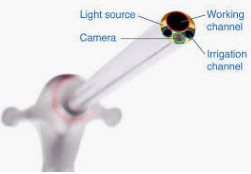
Advances in camera technology and powerful lighting allow surgery through a thin tube with a camera at its tip — avoiding the need for large skin incisions. The surgeon can visualise nerves and blood vessels deep within the body and perform precision surgery, passing specialist instruments such as lasers through the same tube.

Recovery is far quicker than traditional open surgery, with most procedures performed under sedation and local anaesthetic as a day case.

How it works

A working channel a few millimetres wide carries a high-definition camera and micro-instruments directly to the problem. Magnified, well-lit views let the surgeon remove a disc fragment or free a trapped nerve while leaving the surrounding muscle and bone largely undisturbed.

The evidence

A randomised trial with five-year follow-up reported that full-endoscopic discectomy matched the outcomes of microdiscectomy, with a shorter hospital stay and faster recovery.

Conditions treated

  • Back pain
  • Sciatica
  • Trapped nerves
  • Bulging or prolapsed discs
  • Spinal stenosis
  • Scarring around nerves from previous surgery

The Harley Street Hospital is a world leader in minimally invasive spinal surgery.

Learn more at The London Spine Unit →
Spinal Ozone Therapy

Spinal Ozone Therapy

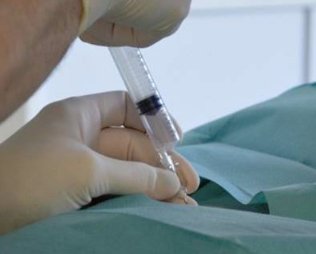
Disc degeneration and protrusion produce inflammation and chemical irritants that aggravate nerves and muscles, causing back pain and sciatica. Spinal Ozone Therapy injects ozone — a concentrated form of oxygen — which prompts the body to produce its own antioxidants.

These naturally formed chemicals help neutralise inflammation around the nerves, reducing pain and supporting healing. In suitable cases it is an effective, low-risk alternative to surgery, performed under sedation as a day case.

How it works

Ozone has a mild dehydrating and anti-inflammatory effect on the disc, shrinking the protrusion slightly and calming the chemical irritation that sensitises nearby nerves — easing pain without open surgery.

The evidence

A meta-analysis of ozone treatment for herniated lumbar discs reported pain and function outcomes similar to disc surgery, but with a markedly lower complication rate and faster recovery.

Conditions treated

  • Back pain
  • Sciatica
  • Lumbago
  • Muscle cramps
  • Facet joint pain
  • Disc degeneration

Offered for disc degeneration and inflammatory back pain.

Learn more at The London Spine Unit →
Balloon Kyphoplasty & Vertebroplasty

Balloon Kyphoplasty & Vertebroplasty

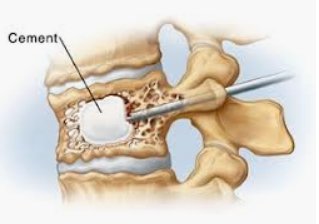
Vertebral compression fractures — often caused by osteoporosis — lead to pain, loss of height and a hunched posture, and are too often managed only with corsets, bed rest and strong painkillers. Balloon Kyphoplasty fixes the broken vertebra using a balloon inserted through a needle, which is inflated to restore the shape of the collapsed bone before bone cement is injected and hardens within minutes.

The majority of patients are able to get up and mobilise pain-free soon after the procedure, with posture, pain and mobility improving almost instantly.

How it works

A fine needle is passed into the fractured vertebra under X-ray guidance. A small balloon is inflated to gently raise the collapsed bone and create a cavity, which is then filled with surgical cement to splint the fracture from within and stabilise it permanently.

The evidence

Randomised controlled trials comparing balloon kyphoplasty with vertebroplasty and with non-surgical care have shown rapid pain relief and improved quality of life for vertebral compression fractures.

Conditions treated

  • Osteoporotic compression fractures
  • Traumatic spinal fractures
  • Fractures from cancer metastases
  • Hunched posture from osteoporosis

Performed as a day-surgery procedure.

Learn more at The London Spine Unit →
Spinal Injections

Spinal Injections

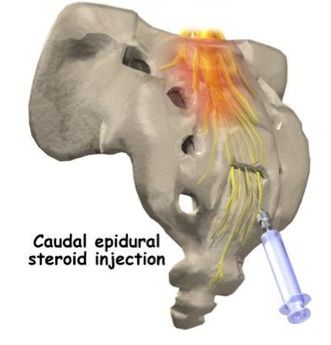
Spinal injections using corticosteroid or platelet-rich plasma (PRP) are among the most common ways to reduce inflammation and swelling of the nerves, discs and muscles of the spine. They are low-risk, quickly relieve pain and improve mobility, and can be long-lasting when combined with a good exercise programme.

Injections are targeted at the source of pain — facet joint, nerve root or epidural — and are always performed under real-time image guidance for accuracy and safety.

Types of injection

Facet joint injections treat pain from the small joints at the back of the spine; nerve-root (transforaminal) injections target a specific irritated nerve causing sciatica; and epidural injections bathe inflamed nerves more broadly. The right choice depends on the source of your pain.

Related procedures

Where pain is caused by scar tissue from previous surgery, spinal epiduroscopy allows the epidural space to be inspected with a fine camera and the adhesions gently released.

Conditions treated

  • Back pain
  • Sciatica
  • Lumbago
  • Muscle cramps
  • Facet joint pain

Image-guided for precise, safe and comfortable treatment.

Learn more at The London Spine Unit →
Radiofrequency Denervation

Radiofrequency Denervation

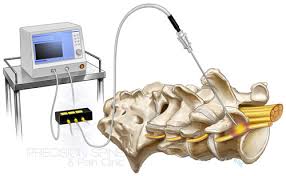
Radiofrequency Denervation (and pulsed nerve-root ablation) uses radiofrequency energy to reduce the sensitivity of the small nerves that transmit pain from degenerated facet joints and irritated nerve roots. Special needles deliver the energy to the painful structures, desensitising them and giving long-term relief in most cases.

It is especially useful for persistent pain where spinal injections have provided only temporary relief.

How it works

A heated electrode is placed precisely against the tiny medial branch nerves that carry pain signals from a worn facet joint. Interrupting those signals quietens the pain while leaving the muscles and movement nerves unaffected. The effect can last many months, and the procedure can be repeated if pain returns.

The evidence

A randomised controlled trial of radiofrequency lumbar facet denervation reported significant, lasting reductions in pain and disability in appropriately selected patients.

Conditions treated

  • Chronic back pain
  • Chronic sciatica
  • Facet joint pain
  • Pain returning after temporary injection relief

A specialist centre for spinal pain management.

Learn more at The London Spine Unit →
Your questions answered

We're here to help

It may be your first time seeing a specialist. These are the questions we're asked most — and you can always call us on +44 (0)203 973 8800.

What is day-case spinal surgery?

Day-case spinal surgery allows patients to undergo their procedure and return home on the same day. This is achieved through minimally invasive techniques, advanced local anaesthetics, and specialized rapid-recovery protocols.

Do I need a general anaesthetic for spinal surgery?

Not always. Many of our spinal procedures are performed under local anaesthetic with sedation, which reduces the risks associated with general anaesthesia and allows for a faster recovery.

What are the benefits of minimally invasive spine surgery?

Minimally invasive techniques involve smaller incisions, less muscle damage, reduced post-operative pain, and a quicker return to normal activities compared to traditional open surgery.

Book a consultation

Speak with our team about consultant-led care tailored to you.