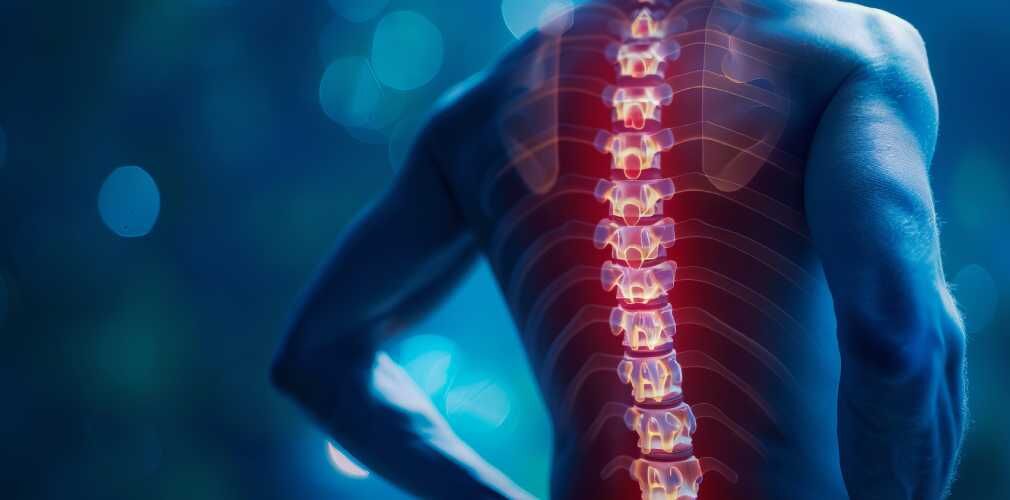

Why are Core Muscles Important for Back Pain?
Have you ever been told about the core muscles and its importance on back pain? In order to explain why this musculature is a determining factor in maintaining the stability and health of our back, it is necessary to understand the process; we will differentiate the muscles into two types:
Mobilizers: Thanks to their characteristics, they have the main function of producing movement. An example can be the lumbar square also known as quadratus lumborum.
Stabilizers: They have the main function of controlling the movement of the joints, giving them stability. Although there are also important shallower stabilizing muscles, these are the types of muscles commonly referred to when talking about deep musculature. An example is the multifidus.
Frequently Asked Questions
Why is core strength important in injury prevention of the spine?
Core strength is vital for stabilising and supporting the spine, reducing the risk of strain or injury to its structures. It promotes proper posture, alignment, and spinal stability during movements, decreasing the likelihood of spinal injuries. Improving core strength enhances balance and coordination, further reducing the risk of falls or awkward movements.
What muscles should be strengthened for back pain?
Exercises strengthening core muscles, hips, glutes, and thighs alleviate back pain by supporting the spine, improving posture, and reducing strain. Additionally, targeting upper back and shoulder muscles can relieve tension and enhance spinal alignment.
What is the role of the core muscles in spinal stability?
The core muscles play a crucial role in spinal stability by providing support and control to the spine during movement and weight-bearing activities. They help maintain proper alignment and posture, reducing the risk of injury and promoting efficient movement patterns. Strong core muscles can also alleviate strain on the spine by distributing forces more evenly throughout the body.