Minimally Invasive Spinal Surgery
Minimally invasive spinal surgery is a very interesting new option that can help relieve chronic back and/or leg pain. Keyhole surgery for sciatica, back pain, lumbar fusion, disc replacement is now available. Our top spinal specialists offer the best solutions for treatment. Harley Street Hospital, London.
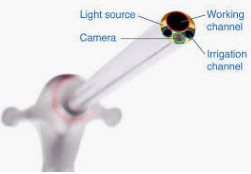
Recent advances in Instrument technology allows Spinal Surgery to be performed through Keyhole incisions:
Minimally invasive spinal surgery is a very interesting new option that can help relieve chronic back and/or leg pain. Your surgeon is the most qualified professional to advise you, clarify your doubts and present reasonable expectations about your therapy. The decision to operate requires your greatest consideration. Always write down all the questions and decide with your surgeon if minimally invasive spinal surgery is the right option for you.
What is different about minimally invasive surgery compared to traditional surgery?
The traditional spine surgery usually requires long incisions in the back. The muscles are cut and separated from the spine to give access to the area.
Minimally invasive spinal surgery is done through small incisions in the back. Surgeons use special instruments, such as intraoperative radiographs, microscopes, and tubular retractors. Both types of surgery are intended to relieve back or leg pain. However, minimally invasive spinal surgery attempts to cut as little muscle as possible.
Minimally invasive surgery has many advantages over traditional spinal surgery:
- Smaller incisions.
- Less blood loss during the surgery.
- Smaller scars.
- Shorter hospitalization.
- Less pain and medication for pain during recovery.
- Faster return to work and daily activities.
What are the benefits and risks?
Each patient is unique, so there are not two that react in exactly the same way. Minimally invasive surgery is often used for many types of procedures, such as removal of the gallbladder and appendix, as well as a total hip replacement. Recently it has been applied to spine surgery, including spinal decompression and spinal fusion.
Minimally invasive spinal surgery carries the same risks as any general surgery. Complications such as infection, pain and nerve damage may occur. Talk to the surgeon to make sure you understand the risks and benefits of the minimally invasive spine treatment that has been recommended for you.
If there are problems or access to the spinal area is not clear during your minimally invasive surgery, the surgeon may decide that it is necessary to opt for a traditional procedure.
During your recovery, you will see your surgeon on follow-up visits and begin a program of physiotherapy and special exercises. The time of recovery will depend on your body’s ability to heal and varies among patients.