What is a Stye?
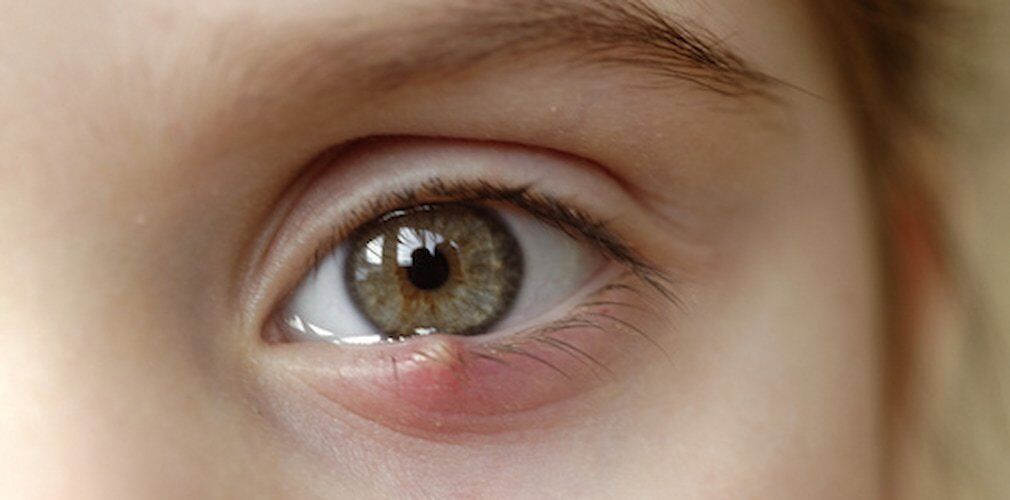
A stye is defined as a red, swollen bulge at the eyelid edge originated by an infection of glands. There are no statistics that indicate a predilection for race, age or sex for styes.
Clinical manifestation The stye usually appears as a small and isolated red bean, located on the eyelid, which when pressed causes pain. It is often
Types of stye
• External or superficial styes: When the drainage orifice is aimed towards the external part of the eyelid, they usually develop in the Zeiss or Moll glands.
• Internal, deep styes: If the orifice is produced in the inside of the eye; they occur in the Meibomian gland.
Risk factors
- Systemic factors: dyslipidemia (abnormal amount of lipids), diabetes, ocular congestion (flu, extreme tiredness).
- Eye causes: chronic blepharitis, dry eye syndrome, refractive errors, misuse of contact lenses, allergy.
- Skin diseases: seborrhea, acne rosacea, allergy.
- Exaggerated solar exposure.
Treatment The basis of all treatment is the heat that causes the orifice to open and drain spontaneously. The procedure is extremely simple and has no collateral complications. Ideally, place a wet compress as hot as the patient can tolerate for 5 to 10 minutes, two or three times a day. More than 50% of the lesions resolve spontaneously. Some experts recommend the application of topical antibiotics to prevent secondary conjunctivitis or infection for the healthy eye. Others limit its use to cases in which inflammation has spread beyond the tissues adjacent to the stye. In the event that the stye does not drain within three weeks, local anti-inflammatories are indicated.
During the infectious episode -Hygiene measures: wash your hands before touching the eyes, and clean with gauze or clean towels exclusively for this problem. -Do not use cosmetics such as eyelash mascara or eyeliner, nor share them with other people.
Prevention -Eliminate local and general causes. -Cleaning the eyelid and the eyelash area with baby shampoo.
Complications of stye
- Recurrence.
- Blepharitis (inflammation of the eyelids).
- Preseptal cellulitis: extension of the inflammation to the cheeks with general symptoms (fever). The treatment consists of systemic antibiotics for 10 to 14 days.
Frequently Asked Questions
What is the main cause of a stye?
Styes are mainly caused by bacterial infection, typically from Staphylococcus aureus, affecting the oil glands of the eyelid.
How do you get rid of a stye fast?
Applying warm compresses to the affected eye several times a day can help speed up the healing process of a stye.
How long does it take for a stye to go away?
A stye typically resolves on its own within 1 to 2 weeks, but proper hygiene practices and warm compresses can help expedite the healing process.