Amblyopia (Lazy Eye)
Generally, amblyopia manifests in only one eye, although it can affect both and is usually caused by the lack of adequate visual stimulation during the critical period of visual development. The lazy eye is a pathology that is usually diagnosed and treated in childhood although if it is not detected early or if the treatment is not adequate it can be prolonged throughout adulthood without the possibility of correction.
Causes of lazy eye The lazy eye or amblyopia is the most common reason for vision loss among children and young people in developed countries and affects approximately 3% of the population.
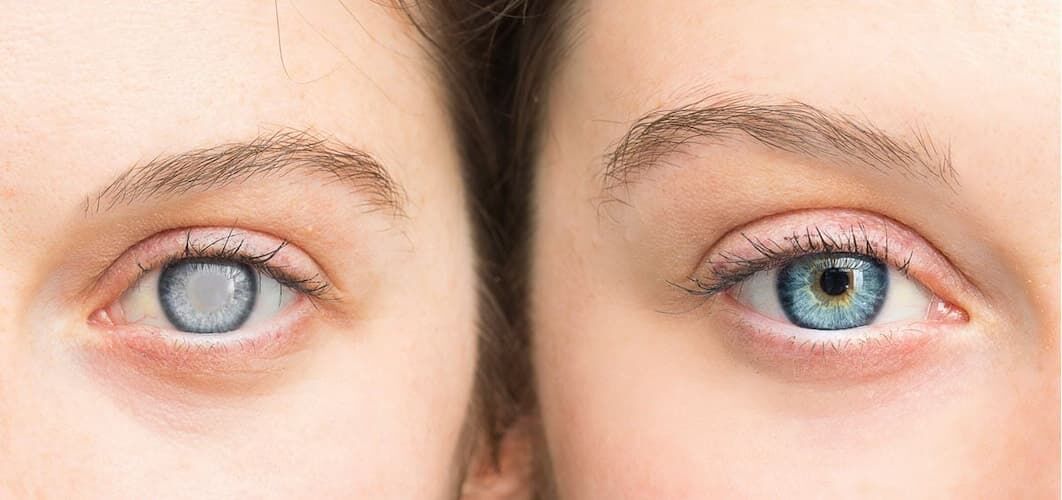
The lazy eye is produced when one of the two eyes is used less than the other as a result of the patient suffering from strabismus (each eye looks in one direction) or when the patient has a large graduation difference between one eye and another. It is known as anisometropia (one eye dominates and the other is no longer used). Finally, amblyopia can also occur when there are media opacities, that is when some of the structures through which the light passes until it reaches the retina are not completely transparent. This occurs, for example, in children with congenital cataracts. It is very important to correct this visual defect during childhood (before 7 or 8 years) because if it is treated, the patient can completely lose the vision of the eye that does not use.
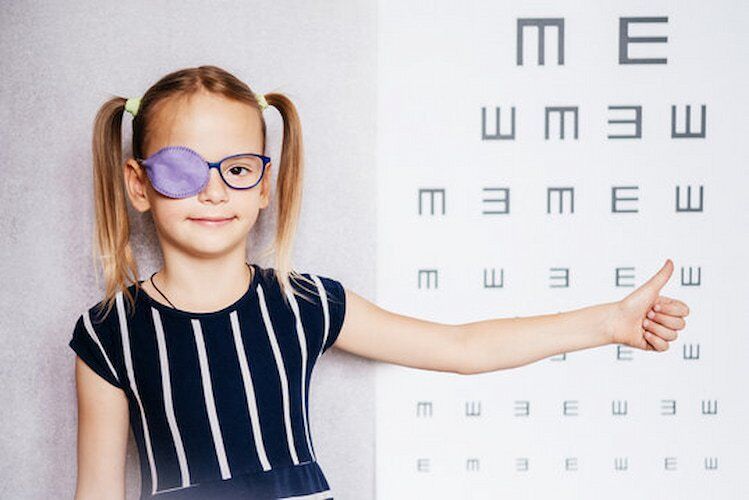
Treatment The amblyopia or lazy eye is treated by glasses with suitable graduation and occlusions of the dominant eye (patches on the “good eye” with which it looks good) to force the activity of the amblyopic eye (the affected eye). Although the fundamental treatment for the correction of amblyopia is occlusion with patches, there are other alternatives such as:
-Dilation of the pupil of the good eye with atropine. -Other alternatives of visual therapy: a set of techniques that teach and help in the rehabilitating process of the lazy eye, working processes such as the change of focus between distances or eye movements, among others.
Patients treated for amblyopia usually recover their vision completely and develop their life normally.
At Harley Street Hospital, we have the best doctors to diagnose and treat amblyopia. Book a consultation to get a specialist´s opinion.
Frequently Asked Questions
How do you fix a lazy eye (amblyopia)?
Lazy eye (amblyopia) is typically treated in children through a combination of methods, including corrective eyeglasses or contact lenses, patching the stronger eye to encourage the weaker eye to work harder, and vision therapy exercises to improve coordination and visual acuity. Early intervention is crucial for optimal outcomes.
Can lazy eye be cured?
Yes, lazy eye (amblyopia) can often be effectively treated, especially when diagnosed and treated early in childhood. Treatment methods such as corrective eyeglasses or contact lenses, patching, and vision therapy can improve visual acuity and coordination in the affected eye. However, successful treatment depends on factors such as the age of the individual and the severity of amblyopia.
Can you fix lazy eye naturally?
Natural methods such as eye exercises and visual stimulation activities may complement conventional treatments for lazy eye (amblyopia), but their effectiveness varies. Consulting an eye care professional is essential for personalized guidance and treatment.