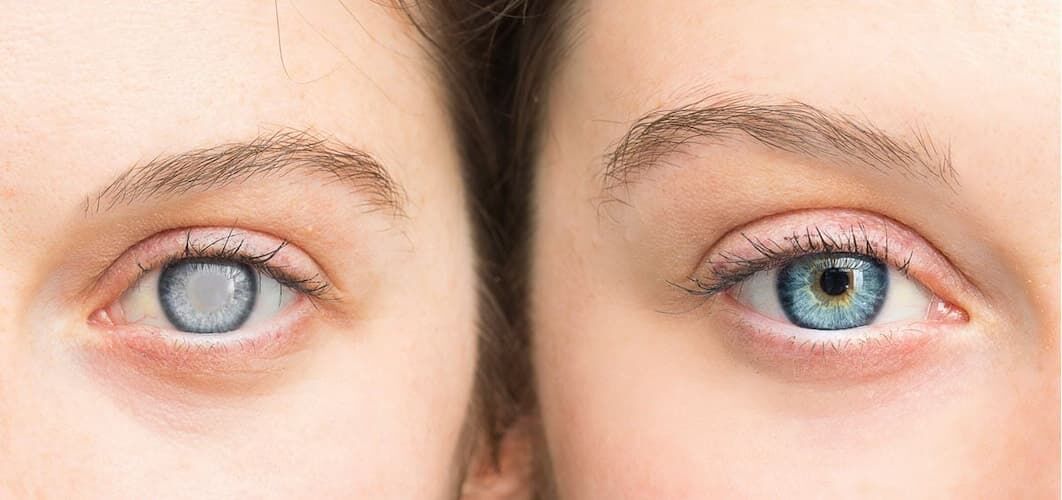
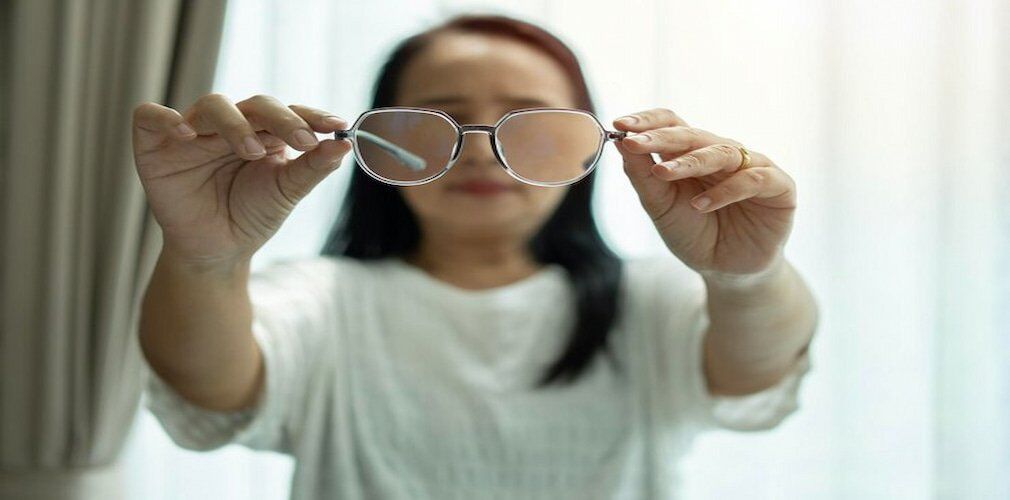
Astigmatism
Astigmatism is a refractive problem that occurs when the cornea (the external and transparent layer of the eye) does not present the same curvature in all its zones. Astigmatism affects vision from near and far.
In the case of astigmatism, the light coming from the objects that enter the eye focuses on more than one point of the retina. This generates a blurred and distorted vision since in the normal eyes the images focus on a single point of the retina.
Depending on the age of the patient, his visual acuity and the type of astigmatism that he suffers or the graduation he presents, he may or may not perceive symptoms and these may be diverse. In general, the main symptom is blurred or distorted perception, both distant objects and of nearby objects. The difficulty of perceiving small details at all distances is also common. In cases where it appears associated with hyperopia, it is common for the patient to suffer from eyestrain, redness, itching and stinging of eyes, dizziness or headaches due to the overexertion that the eye makes to focus the images.
Astigmatism can be determined genetically and appear along with certain pathologies of the cornea, such as keratoconus, or it can be due to trauma or certain surgical interventions.
Types of astigmatism
- Simple: It affects a single axis.
- Compound: When it is associated with another pathology. There are two types: – Myopic: astigmatism associated with myopia.
- Mixed: One axis is focused in front of the retina and the other one behind.
Astigmatism cannot be prevented, but it can be detected through a complete ophthalmological examination and corrected later through the use of glasses, contact lenses or through different types of surgical techniques.
How is it corrected? There are different surgical options for correction. Surgery for astigmatism using laser techniques (Lasik, PRK / Lasek) or surgery that involves the implant of an intraocular lens. In addition, astigmatism can be corrected while eliminating other refractive problems, such as myopia, hyperopia or presbyopia. It must be the ophthalmologist who, once assessed the specific case of each patient through preoperative tests, indicate what type of surgery is the most appropriate to correct it.
At Harley Street Hospital, we have the best doctors to diagnose and treat astigmatism. Book a consultation to get a specialist´s opinion.
Frequently Asked Questions
What is the main cause of astigmatism?
Astigmatism is typically caused by irregularities in the shape of the cornea or lens of the eye. These irregularities can distort the way light enters the eye, leading to blurred or distorted vision at all distances.
Can astigmatism be corrected?
Yes, astigmatism can be corrected through various methods, including eyeglasses, contact lenses, or refractive surgery such as LASIK or PRK. These treatments aim to modify the way light enters the eye, improving vision and reducing astigmatism-related symptoms.
Is glasses good for astigmatism?
Yes, glasses are a common and effective treatment for astigmatism, correcting vision by compensating for irregularities in the eye’s curvature. Special lenses in the glasses are designed to address the specific needs of individuals with astigmatism, providing clear and comfortable vision.
Does astigmatism come naturally?
Yes, astigmatism can occur naturally and is often present from birth. It results from irregularities in the curvature of the cornea or lens of the eye, causing light to focus unevenly and resulting in blurred or distorted vision.