
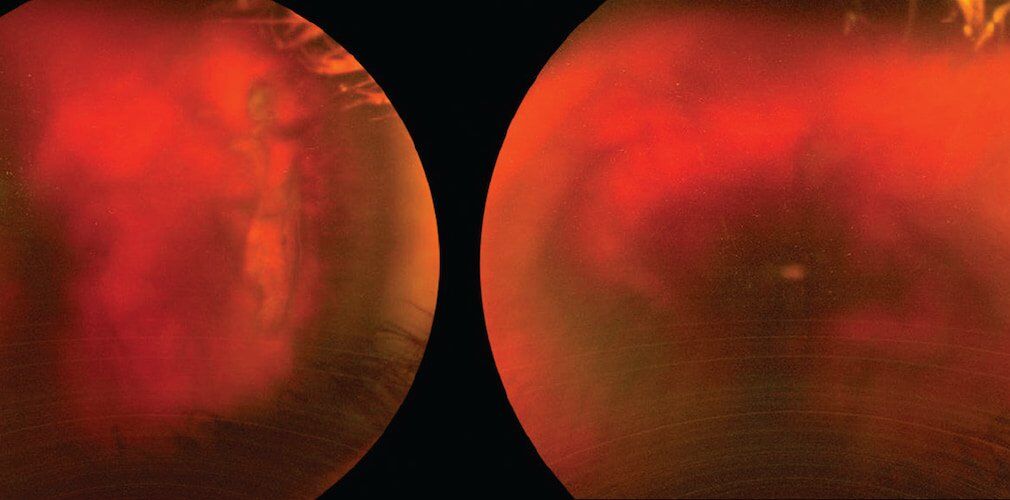
Vitreous Haemorrhage
Intravitreal hemorrhage or intraocular hemorrhage is the existence of bleeding in the inner part of the eye called the vitreous cavity. The vitreous is a gelatinous and transparent substance that occupies two thirds of the total volume of the eye, is formed in 99% by water and limits in its rear part with the retina and in its anterior portion with the lens and the ciliary body.
If hemorrhage occurs in the vitreous, it loses its transparency and the light can not pass through it, which causes vision loss.
The causes of vitreous hemorrhage, which can be spontaneous or traumatic, are very numerous. The most frequent cause is diabetic retinopathy (50% of cases), followed by rhegmatogenous retinal detachment, posterior vitreous detachment, and obstruction of the central vein of the retina. These causes originate 95% of spontaneous cases.
Symptoms
The main symptom is a sudden loss of visual acuity that develops over a few minutes. According to the intensity of the hemorrhage:
- If it is mild: It manifests only as blurred vision and spontaneous recovery.
- If it is serious: The vision deficit can be complete, with total or partial blindness.
Treatment
Due to very diverse causes, it is not possible to establish a single treatment for all patients. This must be individualized, depending on the origin of the hemorrhage, its severity, and personal circumstances.
If the bleeding is mild, it can resolve spontaneously, so it will only require waiting time, although full recovery of vision may take several months.
On other occasions, after a waiting period, a surgical procedure called vitrectomy is recommended, which consists of the extraction of the vitreous humor through minimally invasive microincisional surgery.
Depending on the cause of the vitreous hemorrhage, it will be necessary to add other treatments, such as the application of laser or the administration of intravitreal injections.
At Harley Street Hospital, we have the best doctors to diagnose and treat vitreous haemorrhage. Book an appointment to get a specialist´s opinion.
Frequently Asked Questions
How serious is a vitreous hemorrhage?
A vitreous hemorrhage can range from mild to severe, causing symptoms like floaters or vision loss, but its seriousness depends on factors such as the underlying cause and extent of bleeding, requiring prompt evaluation by an eye specialist.
How do you treat vitreous hemorrhage?
Treatment for vitreous hemorrhage may include observation, laser treatment, or surgery depending on the underlying cause and severity of the bleeding.
Is vitreous hemorrhage urgent?
Yes, vitreous hemorrhage can be urgent, particularly if it causes sudden vision loss or is associated with underlying retinal tears or detachments, requiring prompt evaluation by an eye care professional.