
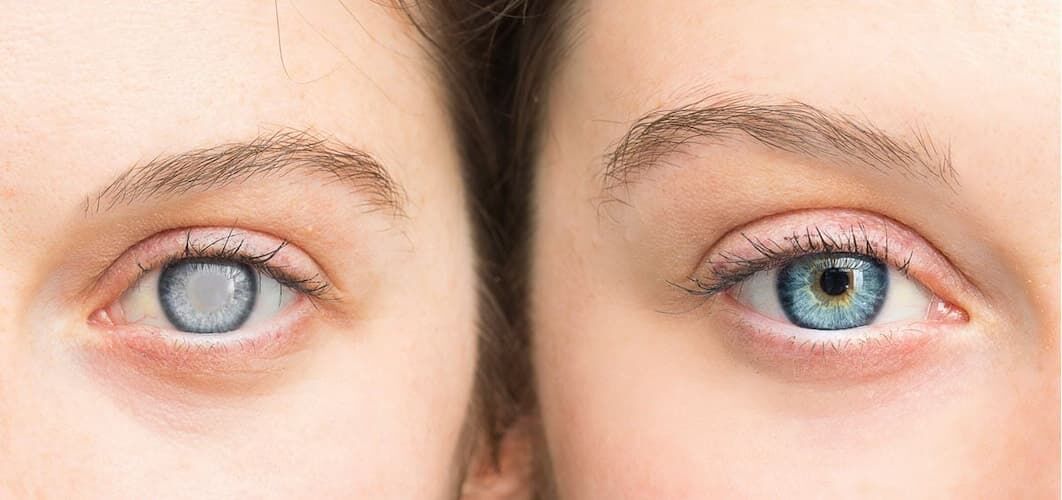
Cataracts
Cataract is defined as the opacity of the lens. When we speak of the lens we refer to the natural lens of the eye. It is located behind the pupil and its function is to focus the objects at different distances (near, intermediate and far).
Over the years, the crystalline lens begins to lose its natural transparency, causing cloudy vision. So we can say that everyone if they live long enough, will have cataracts with age. Normally all people over 65 have some degree of cataract.
Cataract types:
**-Nuclear:**It is the most frequent type of cataract and its main cause of appearance is age. In this type of cataract, the nucleus of the crystalline gradually hardens and loses its transparency, which induces myopia.
**-Posterior subcapsular:**This type of cataract is frequent in diabetic patients, patients who have taken many corticosteroids or in patients who have suffered previous ocular inflammation. In this type of cataract, the crystalline lens loses its transparency in the area that is attached to its posterior capsule. It usually generates distortion of the images, vision loss, photophobia (discomfort due to light exposure) and a faster evolution than normal.
**-Cortical:**The loss of transparency occurs on the outside of the lens (cortex), causing double vision and can be mistaken for strabismus (crossed).
The main symptoms of ocular cataract are caused by the opacification of the lens and appear after 50 years:
Symptoms of the appearance of the cataract:
- Blurred and sometimes double vision.
- Discomfort with exposure to light.
- Frequent modifications in the prescription of glasses.
- A nuisance when driving at night.
- Improvement of near vision (appearance of myopia).
The only possible treatment before the appearance of the cataract is surgery. The cataract surgery involves the replacement of the opacified lens with an artificial intraocular lens.
At Harley Street Hospital, we have the best specialists to treat this condition. Book an appointment to get a doctor´s evaluation.
Frequently Asked Questions
What is the main cause of cataract?
The primary cause of cataracts is the natural aging process, although factors such as genetics, prolonged UV exposure, smoking, and certain medical conditions like diabetes can increase the risk.
Can cataract be cured?
Cataracts can be effectively treated through surgery, where the cloudy lens is removed and replaced with an artificial lens. This procedure can significantly improve vision and quality of life for individuals with cataracts.
How do you stop cataracts from getting worse?
Preventive measures to slow cataract progression include wearing sunglasses to block UV rays, maintaining a healthy diet rich in antioxidants, quitting smoking, managing conditions like diabetes, and regular eye exams for early detection and intervention.