Vaginal Rejuvenation

Home » Archives for THS Hospital » Page 10

Vaginal Rejuvenation

T

here is no doubt that aesthetic procedures in gynecology are causing more and more concern in patients, who come to consult with questions about this increasingly publicised topic.

The appearance of female sexual organs and sexual health are problems that women have faced in silence for years, and they are still not spoken to in families because they consider it a taboo topic. Fortunately, they can find a solution today thanks to the technological advances that allow vaginal rejuvenation with laser surgery by correcting the muscle relaxation of the vagina and improving sexual satisfaction in women.

According to experts, this procedure has emerged from the same patients who reported dissatisfaction in their sexual intercourse, due to not feeling the same, either after having children, because of excess weight, or because of age.

Vaginal relaxation is quite common. According to statistics, millions of women suffer from this problem. In the past, everything was limited to Kiegel’s pelvic-muscular exercises, but it did not help many patients.

Laser surgery now offers an option to give a vaginal rejuvenation. The technique involves using the laser to reapproximate the muscles in such a way that we decrease the internal and external diameter of the vagina, and strengthen the perineal body.

In other words, what is created is a narrower vagina so that the woman has greater sexual satisfaction; that means that has more sensitivity in that area and achieves better tone, strength, and control. There is an increase in sexual satisfaction because there is more friction.

It is relevant to mention that the vagina is not rejuvenated, with these techniques the complement of the anatomical and functional restitution of the pelvic floor and its organs is performed.

Those who will benefit from these procedures are patients with congenital, multiparous, or disfiguring defects.

At Harley Street Hospital, we have the best doctors who are trained to perform this surgical technique. Book a consultation to get a specialist´s opinion.

Frequently Asked Questions

Vaginal rejuvenation refers to a range of procedures aimed at enhancing the appearance and function of the vagina and surrounding tissues, addressing issues such as laxity, dryness, and urinary incontinence.

Women experiencing vaginal laxity or discomfort due to childbirth, ageing, hormonal changes, or certain medical conditions may benefit from vaginal rejuvenation procedures to improve sexual satisfaction, urinary control, and overall vaginal health.

Common vaginal rejuvenation procedures include labiaplasty, vaginoplasty, and non-invasive treatments such as laser therapy or radiofrequency treatment, each tailored to address specific concerns and goals for individual patients.


Vaginal Dryness

Vaginal Dryness

V

aginal dryness occurs as a consequence of the decrease in the production of fluids of the female genital tract. This lack of lubrication can cause a feeling of discomfort that is quite unpleasant.

Aetiology

The most common symptom of vaginal dryness is pain during intercourse or dyspareunia, which is caused by a lack of fluid in the vaginal mucus, necessary to withstand friction. Other sensations that may manifest associated with vaginal dryness are itching, sensitivity, irritation or inflammation in the vaginal area. The lack of lubrication is a sporadic or permanent symptom, depending on the cause that originates it. These may be organic or associated with certain physical conditions, may be related to organic dysfunctions or other health problems (including psychological).

Organic Causes

The organic causes are the most common.

Among them we find:

A decrease in estrogen level: The most common cause of vaginal dryness is the lack of estrogen. The amount and viscosity of vaginal mucus vary during the menstrual cycle, due to the fluctuation in the production of these sex hormones.

Pregnancy and lactation: During pregnancy and lactation period the female hormonal system is altered and produces less estrogen, which results in less vaginal lubrication. However, when the hormone levels return to normal, the problem disappears.

Menopause: During menopause, ovarian function ceases its activity and, therefore, the production of estrogen is decreased. The vaginal wall becomes thin and loses elasticity. In addition, due to the loss of the vaginal flora, variations in pH occur, it becomes alkaline, and the vaginal glands contract reducing vaginal lubrication, which causes vaginal dryness.

Causes Related to Physical Health

In this section, it is worth mentioning the relationship between vaginal dryness and some infections of the genital area, the use of certain medications or products for hygiene, diabetes and Sjögren’s syndrome.

Causes Related to Mental Health:

Among the psychic causes of vaginal dryness are:

Stress: It generates an increase of cortisol in blood so that, in turn, produces an imbalance in the secretion of sex hormones, including estrogen, which can affect the level of vaginal hydration.

Fear and disinterest: It is considered that the fears that a woman can have in relation to sexuality can trigger negative reactions for the process of vaginal lubrication by stimulation of the nervous system. Lack of interest in sex or partner may also cause this type of disorder.

At Harley Street Hospital, we have the best doctors who are trained to diagnose and properly treat vaginal dryness. Book a consultation to get a specialist´s opinion.

Frequently Asked Questions

Vaginal dryness can be caused by various factors, including hormonal changes (such as menopause or childbirth), certain medications, stress, lack of arousal, and underlying medical conditions such as Sjögren’s syndrome or certain cancer treatments.

Treatment options for vaginal dryness include over-the-counter lubricants and moisturisers, hormone therapy (such as oestrogen creams or rings), vaginal oestrogen tablets, and lifestyle changes. Consulting with a healthcare provider can help determine the most suitable treatment approach.

It’s important to see a doctor if vaginal dryness is persistent, causing discomfort, or affecting sexual activity or quality of life. A healthcare provider can assess underlying causes and recommend appropriate treatments to alleviate symptoms and improve vaginal health.

Vaginal Discharge

Vaginal Discharge

T

he vagina, under normal conditions, has a delicate dynamic ecosystem formed by various bacteria whose mission is to protect it from the possible external aggressions of pathogenic germs. This defensive process is carried out by bacteria among which the Lactobacillus or Doderlein bacilli predominate and whose mission is to create an environment in which the pathogenic germs cannot develop.

This balance between defensive germs and aggressors can be easily altered and if this defense is modified, pathogenic germs such as fungi, trichomonas, or those present in bacterial vaginosis will proliferate and cause a vaginal infection.

Under normal conditions, vaginal secretions are odorless, clear, or transparent, of viscous consistency, homogeneous, and have a pH less than 4,5. They are composed of mucus from the cervix, secretions coming from the vaginal wall and their amount and appearance may vary according to the phase of the menstrual cycle, sexual arousal and activity, contraceptives, or pregnancy.

When a vaginal infection occurs, the characteristics of the vaginal discharge change, becoming more abundant, with a bad smell, white, yellow or brown.

The analysis of this secretion is a diagnostic test frequently used in gynecological consultations when a vaginal infection is suspected.

A vaginal swab for analysis is performed when there is a suspicion of a vaginal infection. The presence of itching, stinging, or burning, associated with changes in the usual characteristics of vaginal discharge are characteristic symptoms of the presence of infection. Sometimes, the symptoms and appearance of the vaginal discharge are so characteristic that the diagnosis is so evident and its performance is not required. But when in doubt about the possible causative agent, a sample of the vaginal discharge is taken.

At Harley Street Hospital, we have the best doctors who are trained to diagnose and properly treat these conditions. Book a consultation to get a specialist´s opinion.

Frequently Asked Questions

An increase in vaginal discharge can occur due to various factors such as hormonal changes, ovulation, sexual arousal, pregnancy, use of certain medications (such as birth control pills), or infections such as yeast infections or bacterial vaginosis. It’s essential to monitor any changes in discharge and consult a healthcare provider if you have concerns or accompanying symptoms.

Unhealthy vaginal discharge may appear yellow, green, or grey, have a strong odour, and be accompanied by itching or irritation. Changes in colour, odour, or consistency should be evaluated by a healthcare provider.

Yes, it’s normal for women to have vaginal discharge every day, as it helps maintain vaginal health. The amount and consistency may vary throughout the menstrual cycle. Any changes in discharge should be evaluated by a healthcare provider.

Pain on Intercourse

Pain on Intercourse

S

exual pain disorders or genital-pelvic pain disorders are defined as the presence of persistent or recurrent pain during sexual activities, whether those involved during vaginal penetration or simply those related to tactile stimulation of the vulva and the vestibule.

The report of the Consensus on Female Sexual Dysfunction included in the year 2000 within the group of disorders to Non-Coital Sexual Pain Disorder, as the name implies, the produced before any type of sexual stimulation without involving penetration. Women with this condition experience localized pain in the genital area before, during or after intercourse; this manages to affect their mental and physical health, modifying interpersonal relationships, work performance, etc.

They can be classified according to the antecedent of appearance, in primary if they manifest with the first sexual intercourse, or secondary if the symptomatology is experienced for the first time after previous sex without pain. An additional classification involves the frequency of occurrence of the disorder in complete, if they occur with each sexual encounter or situational if only occur in some occasions or with some couples but not in all opportunities.

It is common to find that women tolerate sexual pain subject to the thought of sex as a marital obligation, ignoring that the emotional burden acquired against this disorder leads to effects such as decreased sexual activity and distancing and incomprehension of a partner.

On the other hand, a study conducted in Sweden reported that only 28% of women with a history of prolonged and severe sexual pain consulted the doctor for this symptomatology, and the same situation occurs in varying degrees in all countries.

At Harley Street Hospital, we have the best doctors who are trained to diagnose and properly treat these conditions. Book a consultation to get a specialist´s opinion.

Frequently Asked Questions

Pain during intercourse, known as dyspareunia, can result from various factors including vaginal dryness, infections, pelvic floor disorders, endometriosis, or emotional factors such as anxiety and stress.

Treatment depends on the underlying cause and may include using lubricants, addressing infections with medication, pelvic floor therapy, hormonal treatments for vaginal dryness, or counselling for psychological factors. Consulting a healthcare provider is essential for an accurate diagnosis and tailored treatment.

It’s crucial to seek medical advice if pain during intercourse persists or worsens, as it may indicate an underlying condition requiring treatment. Additionally, if pain is accompanied by other symptoms such as bleeding, discharge, or urinary problems, prompt evaluation by a healthcare professional is necessary.

Vitreous Haemorrhage

Vitreous Haemorrhage

I

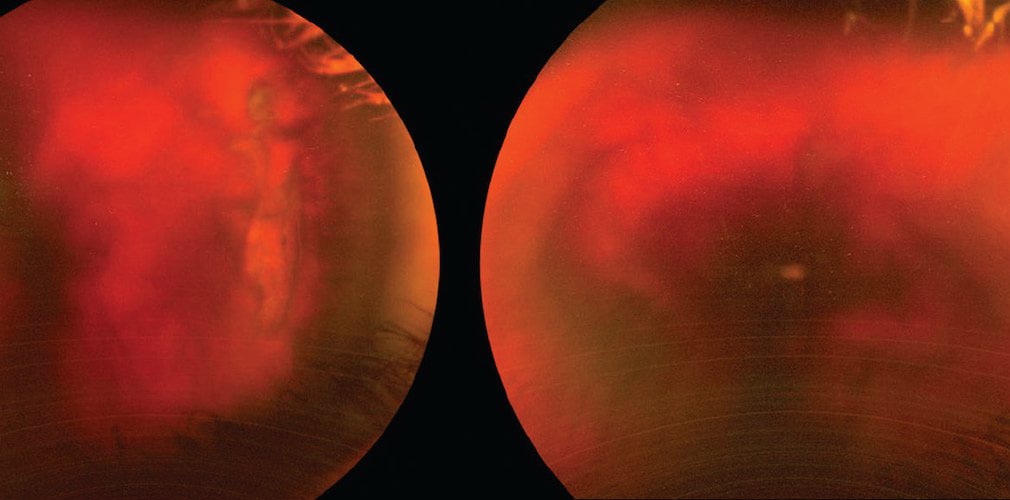
ntravitreal hemorrhage or intraocular hemorrhage is the existence of bleeding in the inner part of the eye called the vitreous cavity. The vitreous is a gelatinous and transparent substance that occupies two thirds of the total volume of the eye, is formed in 99% by water and limits in its rear part with the retina and in its anterior portion with the lens and the ciliary body.

If hemorrhage occurs in the vitreous, it loses its transparency and the light can not pass through it, which causes vision loss.

The causes of vitreous hemorrhage, which can be spontaneous or traumatic, are very numerous. The most frequent cause is diabetic retinopathy (50% of cases), followed by rhegmatogenous retinal detachment, posterior vitreous detachment, and obstruction of the central vein of the retina. These causes originate 95% of spontaneous cases.

Symptoms

The main symptom is a sudden loss of visual acuity that develops over a few minutes. According to the intensity of the hemorrhage:

  • If it is mild: It manifests only as blurred vision and spontaneous recovery.
  • If it is serious: The vision deficit can be complete, with total or partial blindness.

Treatment

Due to very diverse causes, it is not possible to establish a single treatment for all patients. This must be individualized, depending on the origin of the hemorrhage, its severity, and personal circumstances.

If the bleeding is mild, it can resolve spontaneously, so it will only require waiting time, although full recovery of vision may take several months.

On other occasions, after a waiting period, a surgical procedure called vitrectomy is recommended, which consists of the extraction of the vitreous humor through minimally invasive microincisional surgery.

Depending on the cause of the vitreous hemorrhage, it will be necessary to add other treatments, such as the application of laser or the administration of intravitreal injections.

At Harley Street Hospital, we have the best doctors to diagnose and treat vitreous haemorrhage. Book an appointment to get a specialist´s opinion.

Frequently Asked Questions

A vitreous hemorrhage can range from mild to severe, causing symptoms like floaters or vision loss, but its seriousness depends on factors such as the underlying cause and extent of bleeding, requiring prompt evaluation by an eye specialist.

Treatment for vitreous hemorrhage may include observation, laser treatment, or surgery depending on the underlying cause and severity of the bleeding.

Yes, vitreous hemorrhage can be urgent, particularly if it causes sudden vision loss or is associated with underlying retinal tears or detachments, requiring prompt evaluation by an eye care professional.