Laser Spine Surgery is a New Technique used to shrink prolapsed discs


Home » THS Hospital Blog » Spinal Surgery

Laser Spine Surgery is a New Technique used to shrink prolapsed discs

L

asers can treat some patients, but only for certain conditions. Experts rarely recommend using a laser for people with degenerative spine disease, for instance. Here’s how it stacks up against other methods.

Traditional surgery. In the traditional “open” approach, the surgeon’s incision goes through the skin to the muscle. Then, the surgeon dissects the muscles away from the spine so that he or she has a clear pathway to work on the spine. While this has advantages for accessing problem areas, it also poses a risk of damaging the surrounding soft tissue, which can lead to longer hospital stays.

Minimally invasive surgery. The surgeon makes a smaller incision than the one used for a traditional procedure. He or she uses a tool to tunnel to the site of the pain. Because the muscles aren’t elevated from the spine, there is less pain after surgery and the recovery time is often shorter, allowing people to return to their day-to-day activities more readily.

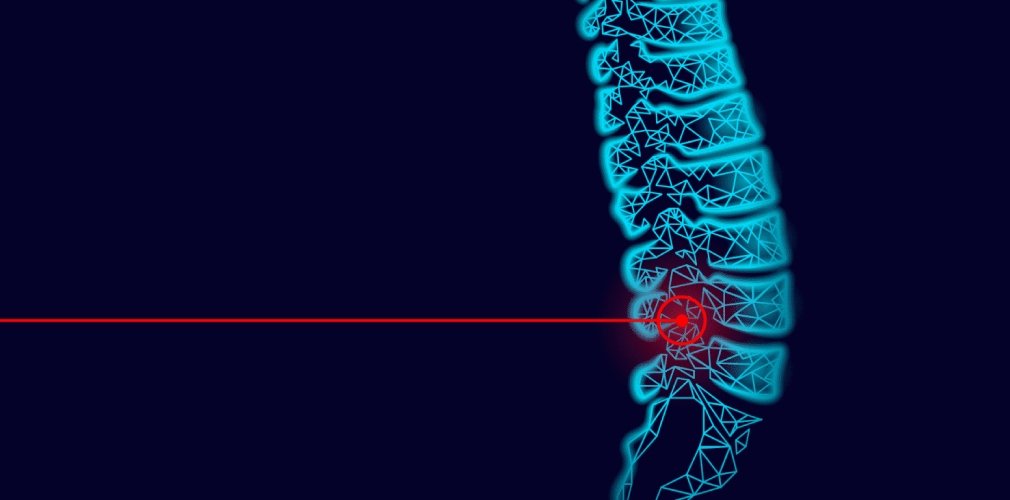
Laser surgery. Surgeons use lasers to remove portions of soft tissue that can compress nerves, such as ligament enlargement or herniated discs. However, lasers are only appropriate for certain conditions. They can help surgeons remove either tumors from the spinal cord or bone and soft tissue from around a nerve. Lasers may also be best for shrinking disc material around a nerve.
Spinal Ozone Therapy


Home » THS Hospital Blog » Spinal Surgery

Spinal Ozone Therapy

C

onservative treatment of low back pain and herniated disc is based on the administration of different drugs, although in recent years, new therapies such as ozone therapy have been offered.

Description of the procedure

The ozone therapy technique in the treatment of lumbar pain and herniated disc consists of the administration of a mixture of oxygen (O2) and ozone (O3) that is injected into the paravertebral muscles or directly into the disc, using as a guide, in the latter case, computed tomography (CT).

What is the origin of pain?

This technique is based on the hypothesis that the origin of the pain could be due to biochemical mechanisms of acidic nerve poisoning that could be to some extent independent of the mechanical problem and due to an autoimmune reaction, producing a chronic inflammation response and creating an acid environment or a situation of ischemia.

Regarding the herniated disc, the origin of the pain would be related to two main components: mechanical compression along with radicular inflammation.

So, when this substance is injected into the paravertebral musculature, it could stimulate the production of antioxidant enzymes, thus neutralizing the toxic products responsible for inflammation of the nerve. In addition, the analgesic action of ozone could decrease the muscular defense contracture that is reflexively activated to protect the area around the herniated disc or other painful processes of the lower back.
These findings suggest that ozone in contact with the disc causes degeneration of the extracellular matrix that leads to a reduction and decompression of nearby nerve roots. Therefore, you may think that injected into the disk accelerates the degradation of polysaccharides in the nucleus pulposus with which decreases the volume of the herniated material causing nerve compression. This could result, along with better blood circulation (oxygenation of the nerve roots), the decrease in lactic acid and inflammatory cytokines into a reduction in back pain and sciatica.

Cervical Disc Replacement


Home » THS Hospital Blog » Spinal Surgery


Cervical Disc Replacement

C

ervical disc replacement is a minimally invasive thechnique to remove a degenerate disc and replace it with a moving prosthesis. The procedure can be performed as a day case procedure by our top spinal specialists.

Movement in the Cervical Spine helps to avoid adjacent-level disc degeneration

The cervical disc´s function is to absorb the loads to which the spine is subjected and to cushion the movements that occur between two contiguous vertebrae.

Regarding the factors that influence the appearance of a cervical hernia, we must differentiate between the acute-soft disc hernia that usually occurs in young patients and whose cause is usually traumatic, and the degenerative disc disease, in which the disk appears disc degenerated and dehydrated, and that is typical of cervical osteoarthritis.

The symptoms are of three types: cervical pain, pain referring to the extremities and spinal cord compression.

The diagnostic studies include first the radiography, an electromyogram (EMG), and finally a Nuclear Magnetic Resonance (NMR), which shows the condition of the discs.

What is cervical disc hernia surgery?

It is fundamentally based on removing the entire disc and replace it by a prosthesis. The approach is usually through the anterior aspect of the neck, separating all the prevertebral structures (carotid and esophagus). With microsurgery the disc is removed, the bone peaks are milled and the nerve or marrow is released. There are different techniques but all are based on removing the disc and replacing it with a prosthesis. Cervical hernia surgery performed by highly trained spine surgeons and is quite safe. If a single disc is operated, the surgery usually lasts 45 to 60 minutes, the next day the patient begins to be incorporated and is discharged on the same day or day after. Recovery is usually very fast and the scar heals satisfactorily.

Cervical disc replacement devices

Everything depends on the origin of the hernia: the mobile prosthesis is usually used in soft hernia in young patients without associated degenerative changes. On the other hand, the rigid prostheses are for the other cases or when there is medullar compression, in which it is sometimes necessary to remove one or more vertebrae or to place a plate with screws to favor the stabilization of the spine.

Cervical disc replacement vs. fusion

Recently, fusions have been performed to replace the intervertebral disc, which serves as a buffer between two vertebrae. However, the fusion technique involves adjacent disc degeneration, as a consequence of the increase in the workload suffered by the vertebra situated next to the fused one.

Increasingly, it seeks to preserve as much movement as possible in the spine through the use of prostheses in the intervertebral discs. Prosthetic replacement of the intervertebral disc is a booming technique, which has proven its effectiveness in the short and medium term.

Cervical disc replacement cost

Studies have shown that patients who underwent artificial disc surgery (arthroplasty) have been able to save an average of £4000 in the two years after surgery.

The initial cost of surgery, secondary procedures and medical devices per patient, as well as the cost of the initial procedure, were higher for arthroplasty patients than for fusion patients; however, those who received the artificial disc obtained long-term savings, because they needed fewer secondary procedures and returned to work sooner after surgery than the fusion patients.

Frequently Asked Questions

Cervical disc replacement surgery is generally considered safe and effective, but like any surgical procedure, it carries potential risks, including infection, nerve injury, or complications related to anaesthesia.

Cervical disc replacement surgery has been shown to provide long-term relief from symptoms, with studies indicating that the artificial discs can last for at least 10 to 15 years or more.

Cervical disc replacement surgery has shown high success rates in appropriately selected patients, with many experiencing significant improvement in symptoms and functionality.

Doctors Specialising in Spine Care

Benefits of Laser Endoscopic Spine Surgery


Home » THS Hospital Blog » Spinal Surgery


Benefits of Laser Endoscopic Spine Surgery

L

aser spine surgery is a new surgical technique that allows pathologies of the back to be operated through minimally invasive procedures.

It consists of making an incision of less than 2 millimetres that allows the spinal canal to be explored. For this, an endoscopic camera with a channelled optical mechanism connected to a high-definition television screen is used.

This system manages to introduce light and obtain a vision with a high-resolution image of the damaged areas of the spine, visualizing the intervertebral disc and the nerve roots with millimetre sharpness.

Through the optical channel, the different forceps and surgical instruments necessary for the treatment of different pathologies are used.

What are the advantages of laser spine surgery for the patient?
-It is a minimally invasive surgery that only requires a small 2-millimetre incision without scarring.

-It allows to enlarge and magnify the field of work.
-Relief from sciatic and lower back pain is immediate.
-The risk of injury, bleeding and aggression to the muscles is lower, so it reduces postoperative risks.
-Hospitalization is not required and is performed using local anaesthesia.
-Recovery time is reduced, allowing faster incorporation into the patient’s normal and work activity. The return to normal life occurs 24 hours after the intervention and, it is possible, to carry out a rehabilitation-only 15 days after the intervention.
-Postoperative drug intake decreases and even disappears in some cases.

In what pathologies is laser surgery indicated?
Herniated discs: It is the displacement of the soft centre of the intervertebral disc towards the outside due to rupture of the fibrous ring, being able to press on a nerve root or the medullary canal. Normally, herniated discs are located in the lumbar region, with the cervical discs (neck) being the second most affected area.

Lumbar canal stenosis: It is one of the ailments associated with age that normally appears from the age of 60 as people age. It is produced by irritation of the nerve roots that run through the spinal canal when, due to the degeneration of the discs and joints of the spine, the outlet of the nerves to the legs or back is narrowed. This narrowing is called stenosis.

Frequently Asked Questions

The benefits of laser spine surgery may include smaller incisions, reduced soft tissue damage, quicker recovery times, and potentially less post-operative pain compared to traditional open surgery.

Endoscopic spine surgery offers benefits such as smaller incisions, reduced blood loss, faster recovery times, and potentially less post-operative pain compared to traditional open surgery, while effectively treating various spinal conditions.

Laser spine surgery can be successful for certain conditions, offering minimally invasive options with potentially faster recovery times, but its efficacy depends on the specific condition and individual circumstances.

Doctors Specialising in Spine Care

Lorem ipsum dolor sit amet, consectetur adipiscing elit. Ut elit tellus, luctus nec ullamcorper mattis, pulvinar dapibus leo.

Day Surgery TLIF Lumbar Fusion


Home » THS Hospital Blog » Spinal Surgery


Day Surgery TLIF Lumbar Fusion

L

umbar fusion or arthrodesis is a technique that has been used for decades to solve instability problems in that region.

Since its inception, arthrodesis techniques have been modified for various purposes: to improve rigidity, to allow better correction of vertebral angulations, to increase the fusion rate, to be able to dispense with external braces, to decrease damage to healthy tissues, to reduce intervention time and bleeding, etc. But not all improvements can always be achieved at the same time, which is why several of the arthrodesis techniques are still in force, constituting a range of options for each case that arises.

TLIF technique
The TLIF arthrodesis, an acronym for “Transforaminal Intersomatic Lumbar Fusion” is a technique that allows both the anterior and the posterior part of the vertebral segment to be fused, but accessing only from one side of the vertebral posterior part. Therefore, it improves the fusion rates and the degree of correction in the same measure as the double accesses (anterior-posterior), but it simplifies the task and the risks when using a single approach and a single side.


Тhe procedure
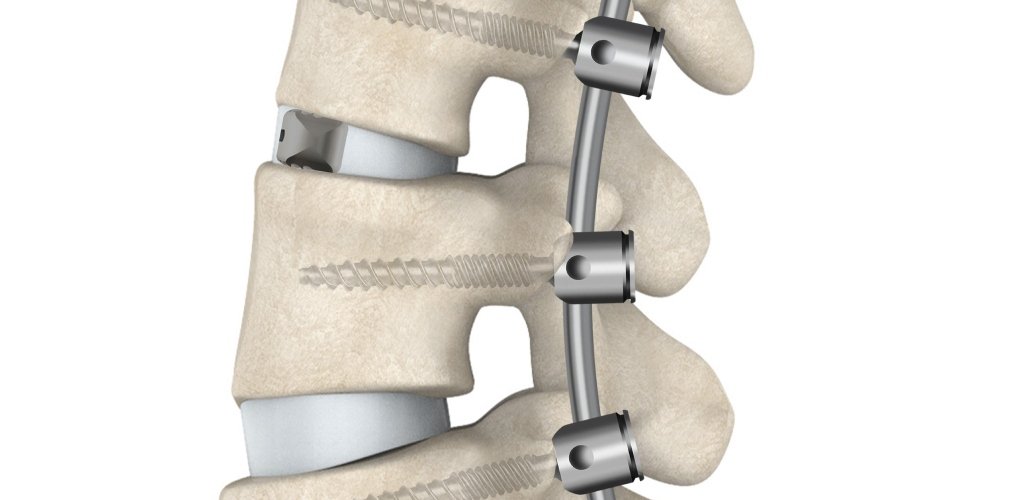
Access to the disc (anterior part) is made through the neural foramen, that is, the hole through which each lumbar root comes out. But since the size of the foramina is insufficient to introduce implants, the technique requires removing the articular assembly (facets) and associating a fixation with pedicle screws. One of the disadvantages of TLIF is that manipulation of the neural ganglion in the foramen, especially when inserting the implant, can cause postoperative (usually transient) sciatica or long-term residual sensory discomfort. Postoperative sciatica is especially common after large corrections in height and disc displacement (spondylolisthesis). This problem gradually disappears in 5-7 weeks.

The advantages of TLIF
Because it is a foramen access technique, which allows a high degree of correction and ensures the success of the fusion, it is especially useful when it is necessary to reach the foramen (foraminal stenosis), when there are degenerative deformities (scoliosis and degenerative spondylolisthesis), or when the posterior fusion alone does not guarantee stability (isthmic spondylolisthesis). Due to its tendency to cause root discomfort in the postoperative period, it should perhaps be avoided in cases of pure lumbar involvement without canal involvement, thus avoiding any unnecessary neural manipulation.

Frequently Asked Questions

TLIF (Transforaminal Lumbar Interbody Fusion) is a minimally invasive surgical technique used to treat conditions such as degenerative disc disease or spinal instability by fusing vertebrae together through an incision in the back, typically performed as a day surgery procedure.

Day surgery TLIF lumbar fusion offers advantages such as reduced hospital stay, quicker recovery times, decreased risk of complications associated with prolonged hospitalisation, and the convenience of returning home on the same day.

Recovery involves gradually increasing activity levels, adhering to post-operative instructions for wound care and pain management, attending follow-up appointments, and participating in physical therapy to optimise healing and regain strength and mobility.

Doctors Specialising in Spine Care

Lorem ipsum dolor sit amet, consectetur adipiscing elit. Ut elit tellus, luctus nec ullamcorper mattis, pulvinar dapibus leo.