
Breast Reduction Surgery
27 May 2024
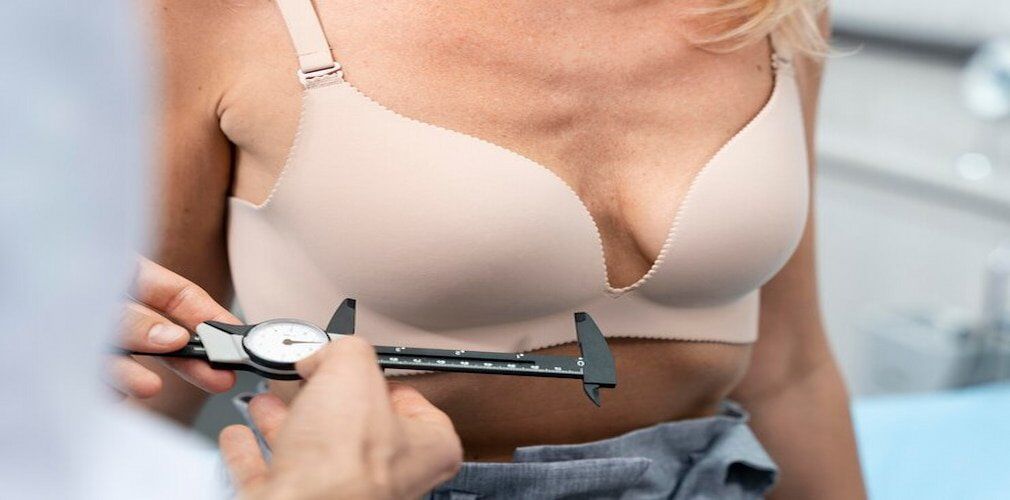
Breast Reduction Surgery
Breast reduction (also called reduction mammoplasty) is a surgical procedure to decrease the size of the breasts, by removing fat, breast tissue and skin, making them smaller, lighter and firmer.
When is breast reduction indicated?
It is aimed at women with large breasts, who may present some problems due to this excess weight, such as back and neck pain, skin irritation under the breast and respiratory problems. The purpose of reduction mammoplasty is to provide a woman with smaller breasts and with a shape more proportional to the rest of her body.
Does it affect breastfeeding?
In this type of surgery skin, breast tissue (gland) and fat are removed. In theory, it does not affect breastfeeding because we leave enough gland for milk and it remains connected, so operated women can breastfeed normally.
The amount of milk does not depend on the breast reduction, nor on the surgery, nor on the amount of the existing mammary gland. There are women who without having surgery have very small breasts and when they have children they give them a lot of milk. Others who have very large breasts and give little milk.
The surgical procedure
Of all the breast surgeries, such as augmentation, lifting and reduction, the latter is undoubtedly the most complex. In terms of time, it takes between three and four and a half hours, which is twice or triple that of breast augmentation surgery. The surgical procedure is described as follows:
- Incisions outline the area of the excess tissue to be removed.
- Excess skin and fat are removed. The nipple and areola are then moved to a new and higher position.
- The incisions are brought together to reshape the now smaller breast.
- Sutures are placed around the areola and can extend downwards and horizontally under the breast crease.
Preparation and recovery for breast reduction
For breast reduction surgery, no special preparation is required, but the same as any surgery, including pre-operative examinations.
Patients leave the clinic the next day after surgery and must remain a few days with relative rest. After that time, you can start doing your normal daily life.
Sometimes a silicone tube is left in the armpit as a drain for three or four days, never more than a week.
During this time, you must wear a special sports bra that is very firm, even when sleeping. After this time you can go back to wearing a normal bra, but clearly smaller.