
Urodynamics
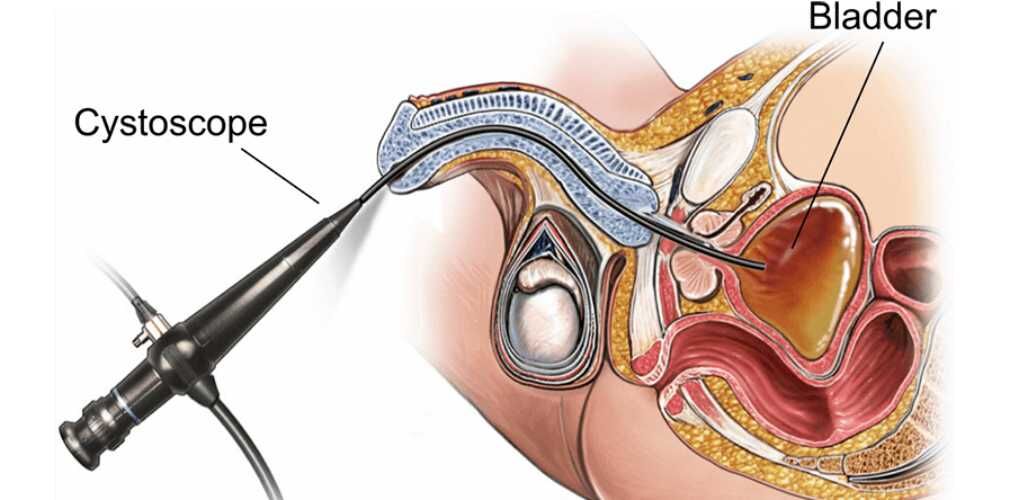
Urodynamics is a urological test that aims to simulate a voiding cycle (passing urine), that is, filling the bladder and emptying it to measure and evaluate how the muscles that make it up work.
Who can be a candidate for urodynamics?
This is a test performed more frequently on patients who have a disease called mixed urine incontinence, which means that they have stress urinary incontinence and, at the same time, urge urinary incontinence.
Stress urinary incontinence implies that the patient has involuntary urine leaks that are associated with efforts such as coughing, laughing, lifting weight or climbing stairs, among others. Whereas, in the case of urge urinary incontinence, you feel a sudden urge to urinate, which is impossible to postpone. Sometimes the latter is related to overactive bladder problems.
Benefits of Urodynamics
Thanks to urodynamics, specialists can detect, in these cases, which of the two types of incontinence is prevailing in the patient, and thus offer a better treatment to promote their quality of life.
In addition, this test is used in patients who have other problems related to urination such as emptying problems, that is, patients who find it difficult or unable to urinate (urine retention). It is also useful for evaluating the results of a treatment or surgery, in some neurological diseases, etc.
What does urodynamics consist of?
It is an invasive examination, so specialists try to request it only in strictly necessary cases. Despite this, it is not painful.
It consists of putting a tube through the patient’s urethra, which will carry the liquid with which the bladder will be filled and will measure its pressure. In addition, another probe is inserted into the rectum to measure abdominal pressure throughout the process.
Once the probes are in place, the patient should sit on a structure called a uroflowmeter, which is very similar to a toilet, which will measure possible urine leakage.
The uroflowmeter, in turn, is connected to a machine that displays the results of the exam and allows the specialist to make all the calculations that he considers pertinent.
Frequently Asked Questions
How is urodynamic test performed?
During a urodynamic test, thin tubes are inserted into the bladder and rectum to measure pressure changes while the bladder is filled and emptied, providing information about bladder function and possible issues such as urinary incontinence or incomplete bladder emptying.
Is a urodynamic test painful?
A urodynamic test may cause discomfort or slight pain, but it is usually tolerable and not considered highly painful.
Is urodynamic a surgery?
No, urodynamic testing is not a surgery; it is a diagnostic procedure used to evaluate bladder function and urinary symptoms.