Trigger Finger Surgery
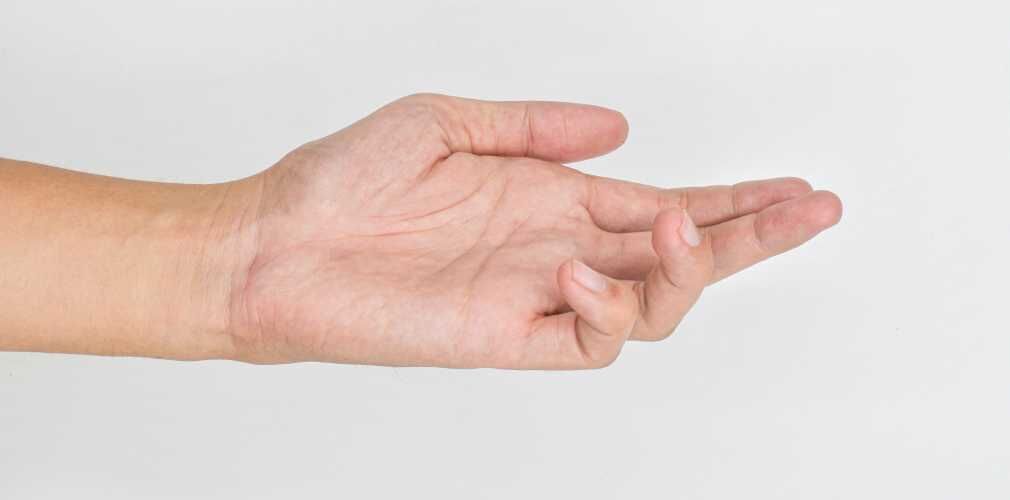
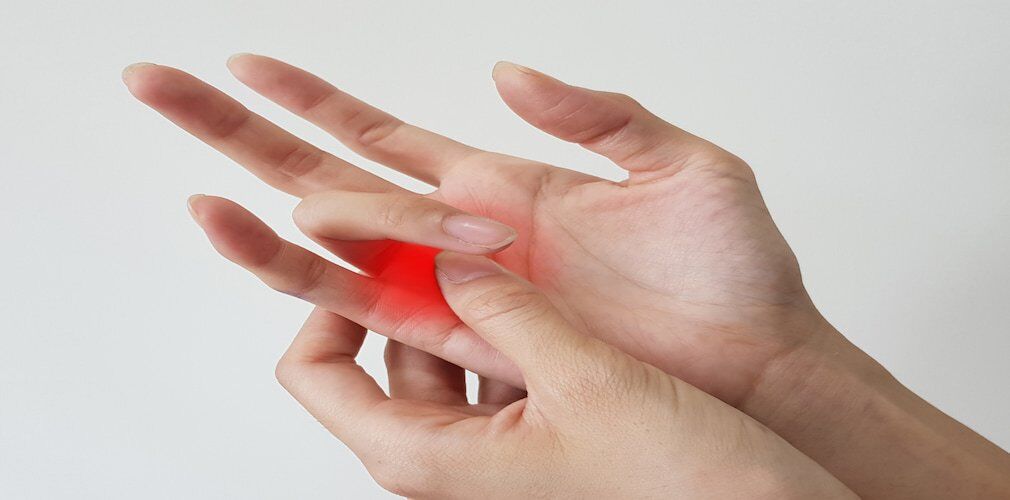
Trigger finger is a condition that causes pain, stiffness, and a locking sensation when the finger is bent and stretched. The condition is also known as stenosing tenosynovitis. The ring finger and thumb are the most affected by the trigger finger, but the rest can also suffer some consequences. When the thumb is involved, the condition is called a trigger thumb.
Treatment
The initial treatment for a trigger finger is generally non-surgical and includes rest, splint, specific exercises, medications, steroid injection.
Surgery
If the finger does not improve with non-surgical treatment, surgery may be considered. The decision for surgery will depend on how much pain or loss of usefulness is in the finger. However, if the thumb is locked in a flexed or bent position, surgery is recommended to prevent permanent stiffness.
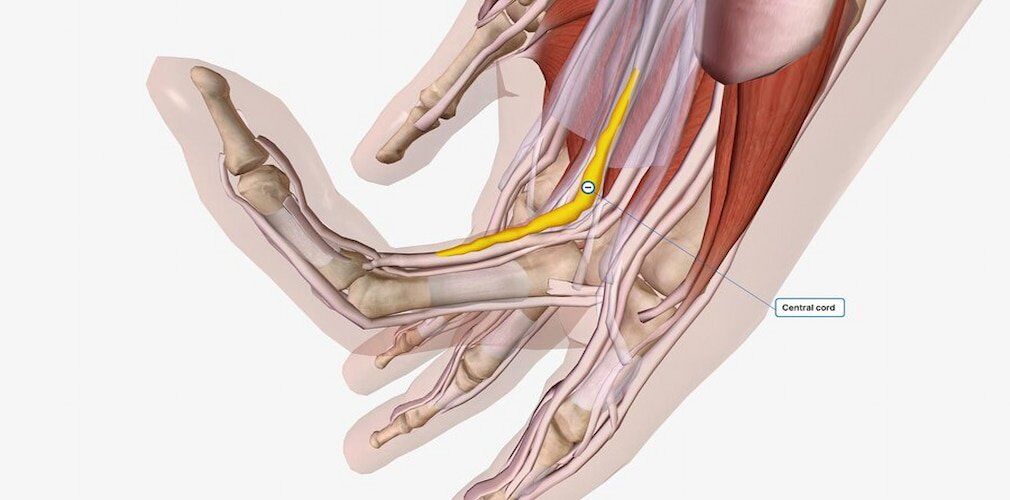
The surgical procedure for the trigger finger is called tenolysis or trigger finger release. The goal of the procedure is to release tissue sheaths which blocks tendon movement so that the flexor tendon can more easily slide through the tendon sheath. Typically, the procedure is done with a local anaesthetic injection to numb the area for surgery.
The surgery is performed through a small open incision in the palm or with the tip of a needle. Tissue sheath is divided (released) so that the flexor tendon can slide freely. Performing this procedure should not cause problems in the future.
What are the complications of trigger finger surgery?
The most common complications after trigger finger surgery may be:
- Stiffness in the involved finger.
- Inability to straighten the involved finger.
- Temporary pain or swelling at the surgery site.
Less common complications include:
- Persistent lock or click. This may indicate that there´s more tissue needing to be released or it could be due to another finger problem.
- In a small number of cases, the tendon can tilt away from the bone, resulting in a reduced range of motion.
- Infection.
- Digital nerve injury. This can cause numbness or tingle in a part of the finger.
Recovery after trigger finger surgery
Most patients can move their finger immediately after surgery, although some pain in the palm of the hand is common.
Although the incision heals within a few weeks, it may take 4 to 6 months for the swelling and stiffness in the hand and fingers to clear up completely. If stiffness, swelling, or pain persists after surgery, the doctor may recommend you going to rehab.
Frequently Asked Questions
How long is the recovery from trigger finger surgery?
Recovery from trigger finger surgery usually takes several weeks, with patients experiencing initial discomfort, swelling, and stiffness. Gradual return to normal activities is possible with proper rehabilitation and follow-up care.
What is the downside of trigger finger surgery?
The downside of trigger finger surgery may include risks such as infection, stiffness, pain, or recurrence of symptoms. Additionally, there is a recovery period that may require temporary limitation of hand use, and in rare cases, complications like nerve damage or tendon injury may occur.