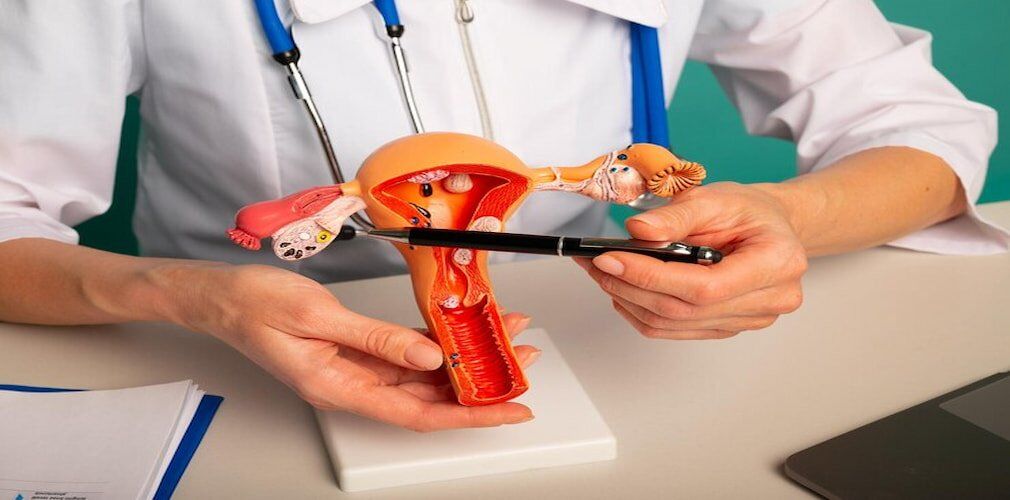

Cervical Smear Test
In women, there may be precancerous cervical lesions for many years without causing any symptoms. The slow growth of these lesions offer many opportunities for early detection and easy healing. The cervix can be palpated and seen in a gynecological examination so that the doctor can easily obtain a smear of its surface for a cytological examination of the cells that detach from the surface of the cervix.
The smear cells are examined in the laboratory, which allows early diagnosis of a precancerous lesion, that is, an abnormality of the cells on the surface of the cervix called dysplasia that, over the years, can cause cancer. By means of the smear, it is also easy to detect incipient cancer, before it becomes dangerous (malignant).
In the laboratory examination, the cells in the smear can:
- Be normal.
- Reveal a mild dysplasia that is usually due to HPV infection.
- Reveal moderate or severe dysplasia. Such injuries could progress to cervical cancer if left untreated.
- Reveal cervical cancer.
A vaginal infection can prevent proper examination of the cells of a smear. In that case, a new smear is made after the infection has been cured by proper treatment.
In addition to cytology, specifically in cases of uncertain cytological diagnosis, the presence, and type of HPV (Human Papilloma Virus) can be analysed in the laboratory, which will provide information on the risk of presenting abnormalities associated with HPV infection. The results of the HPV test do not affect in any way the future treatment plans
Experts recommend doing this test once a year after a woman has started active sexual life. At The Harley Street Hospital, we have the best doctors to perform cervical smear tests. Book an appointment.
.
Frequently Asked Questions
What is tested in a cervical smear?
A cervical smear, also known as a Pap smear, tests for abnormal cells on the cervix that could indicate cervical cancer or precancerous conditions.
Is cervical smear test painful?
Cervical smear tests may cause mild discomfort or pressure for some individuals, but they should not be painful.
What happens if smear test is positive?
If a smear test is positive, it indicates abnormal cervical cells, and further evaluation, such as colposcopy or biopsy, may be recommended to assess the extent of abnormalities and determine appropriate management, which could include monitoring, treatment, or follow-up testing.
How often do you need a smear test?
In general, smear tests (Pap smears) are recommended every 3 to 5 years for women aged 21 to 65, but frequency may vary based on individual risk factors and healthcare guidelines.