Facet Joint Injections


Facet Joint Injections

F

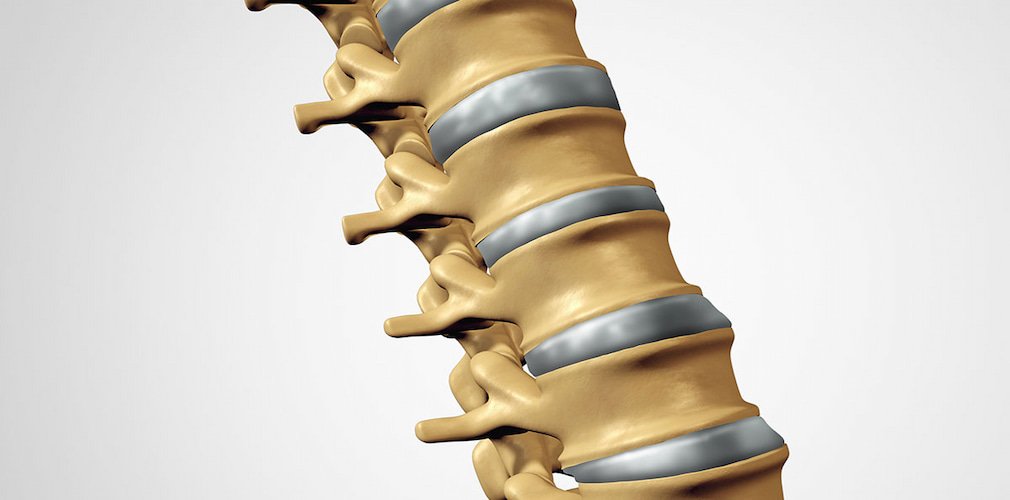
acet joints are structures that have contact between 2 superimposed vertebrae, restrict certain movements and prevent the vertebrae from running forward.

It has been shown that in the facet joints that cause problems, the pain nerves are activated. The activation of these nerves causes pain and the release of substances involved in neurogenic inflammation.

So, this medical procedure involves injecting a product, usually a steroidal anti-inflammatory drug-derived from cortisone-and/or an anaesthetic in the facet joint.

Cortisone derivatives have a very powerful anti-inflammatory effect, although their risks and contraindications prevent them from being administered continuously via IV. In addition, when administered via IV, only the part of the administered dose that through the blood reaches the inflamed territories has an effect. To increase the effectiveness of its anti-inflammatory effect and reduce its risks, in the facet infiltration the steroids are placed in the facet joint so that they have a powerful local effect and fewer side effects. This would neutralize the effect of the substances released by the nerves of pain and reduce inflammation.

What is the role of anaesthetics?

In the same way, the injection of local anaesthetics directly into the joint would allow a greater percentage of the administered dose to have an effect. Its objective is to inhibit the nerves of pain.

However, although the origin of back pain is due to an alteration of the facet joint, if the pain is sustained for a sufficiently long period of time, neural mechanisms are activated that keep it independent of the cause that caused it initially, or even when it has disappeared.

Facet joint injections are often combined with a caudal epidural injection for best pain relief.

Frequently Asked Questions

The duration of pain relief from facet joint injections varies, but it typically lasts from a few weeks to several months. Some individuals may experience longer-lasting relief, while others may require repeated injections for sustained benefits. Regular follow-up appointments with a healthcare provider can help assess the effectiveness of the injections and determine the need for additional treatment.

The success rate of facet joint injections varies but ranges from 50% to 90%, providing significant pain relief for many individuals. It’s crucial to discuss expected outcomes and potential risks with a healthcare provider.

The risks of facet joint injections include temporary pain, bleeding, infection, nerve damage, allergic reactions, or rare complications such as spinal cord injury. Discussing these risks with a healthcare provider before the procedure is essential.

Doctors Specialising in Spine Care

Nerve Root Injections

Nerve Root Injections

T

he nerve roots are arranged symmetrically on both sides and exit the spinal canal through small openings located between two adjacent vertebral bodies. In this case, one or several of these nerve roots are affected by an intervertebral disc (disc herniation or disc protrusion), by arthrosis of the small vertebral joints (facet joints), as a consequence of a generalized narrowing of the spinal duct or due to a narrowing of the nerve outlet opening. The goal of infiltration is to mitigate pain through a localized injection of medications. In this way, it is the reintroduction of support measures such as physiotherapy.

Infiltration Process of the Lumbar Nerve Root

Infiltration is carried out with the help of computed tomography (CT). In total, you must remain in the upside-down position for about 15 minutes for the planning and infiltration itself. After a brief consultation, the radiologist plans the optimal access route to the nerve root based on some CT images. Once the ideal point is located, the skin is numbed by a fine needle (local anaesthesia). The needle is then introduced in stages, anaesthetizing locally several times until the tip of the needle is close to the nerve root.

This procedure may be combined with a caudal epidural injection for best effect.

During the process, the position of the needle is controlled by some CT images or fluoroscopy (x-ray). Once the needle is located near the nerve root, it is injected a small amount of contrast substance, which should extend along the nerve root. At this time, you may feel a cramping pain in your leg. In case this pain is very intense, the doctor will wait a moment and then inject more slowly. Then a small amount of cortisone and a local anaesthetic are injected through the same needle. After a few minutes, the local anaesthetic should achieve a noticeable relief of pain.

Cortisone prevents local inflammation

When the effect of local anaesthesia disappears (a few hours), you may again partially perceive your known pain in the leg. Cortisone begins to make a more intense effect after 1 to 3 days. It is uncommon that pain relief does not occur.

Frequently Asked Questions

The duration of pain relief from a nerve root injection varies but typically lasts from weeks to months. Some individuals may experience longer-lasting relief, while others may require repeated injections. Regular follow-up appointments help assess effectiveness and determine further treatment.

Nerve root injections can be successful in providing pain relief for many individuals, with success rates ranging from 50% to 90%. The effectiveness depends on factors such as the underlying condition and individual response. Consulting a healthcare provider is crucial for personalised guidance.

Yes, nerve root injections are generally safe when performed by trained professionals. Risks include infection, bleeding, nerve damage, or allergic reactions, but they’re typically low. Discussing concerns with a healthcare provider beforehand is important.

Doctors Specialising in Spine Care

Limitations of Spinal Injections

Limitations of Spinal Injections

A

n epidural injection is usually highly effective in more recent conditions and has a lower success rate when the problem is longstanding. In a few cases, an epidural injection may offer little or no alleviation of pain. Each patient is different; however, there are times when the injection can be repeated after a few weeks or months to receive the utmost benefit from the medication. If epidural injections do not help to relieve pain, we will probably recommend another therapy. The reasons why an injection may not work is if it was incorrectly injected. Do not have a spinal injection without imaging as there is a high rate of miss without imaging. Our experts always perform spinal injections under image guidance using low radiation XRAY or CT Scan.

Frequently Asked Questions

The downside of spinal injections includes potential risks such as infection, nerve damage, allergic reactions, and temporary pain exacerbation, along with the possibility of limited long-term effectiveness for some individuals.

The limitations of epidural steroid injections include temporary relief, potential side effects such as infection or nerve damage, and the need for repeat injections for sustained benefits, as they do not address underlying causes of pain.

Spinal injections can provide significant relief for many people, with success rates varying depending on the individual’s condition and the specific type of injection administered, often providing temporary pain relief or facilitating physical therapy.

Doctors Specialising in Spine Care

Why are Core Muscles Important for Back Pain?

Why are Core Muscles Important for Back Pain?

M

Have you ever been told about the core muscles and its importance on back pain? In order to explain why this musculature is a determining factor in maintaining the stability and health of our back, it is necessary to understand the process; we will differentiate the muscles into two types:

Mobilizers: Thanks to their characteristics, they have the main function of producing movement. An example can be the lumbar square also known as quadratus lumborum.

Stabilizers: They have the main function of controlling the movement of the joints, giving them stability. Although there are also important shallower stabilizing muscles, these are the types of muscles commonly referred to when talking about deep musculature. An example is the multifidus.

Frequently Asked Questions

Core strength is vital for stabilising and supporting the spine, reducing the risk of strain or injury to its structures. It promotes proper posture, alignment, and spinal stability during movements, decreasing the likelihood of spinal injuries. Improving core strength enhances balance and coordination, further reducing the risk of falls or awkward movements.

Exercises strengthening core muscles, hips, glutes, and thighs alleviate back pain by supporting the spine, improving posture, and reducing strain. Additionally, targeting upper back and shoulder muscles can relieve tension and enhance spinal alignment.

The core muscles play a crucial role in spinal stability by providing support and control to the spine during movement and weight-bearing activities. They help maintain proper alignment and posture, reducing the risk of injury and promoting efficient movement patterns. Strong core muscles can also alleviate strain on the spine by distributing forces more evenly throughout the body.

Doctors Specialising in Spine Care

Artificial Disc Replacement Surgery

Artificial Disc Replacement Surgery

M

ore than 10 years have passed since total disc replacement (TDR) was introduced for the first time to the world market for the surgical management of degenerative disc disease (DDD). It seems like the right time to sum up the relevant results in order to understand where TDR stands on now, and is heading forward to.

The pathogenesis of DDD has been currently settled, but diagnosis and managements are still controversial. Fusion is recognized as golden standard of surgical managements but has various kinds of shortcomings. Lately, TDR has been expected to replace fusion surgery. A great deal of TDR reports has come out. Among them, more than 5-year follow-up prospective randomised controlled studies including USA IDE trials were expected to elucidate whether for TDR to have therapeutic benefit compared to fusion.

The results of these studies revealed that TDR was not inferior to fusion. Most of clinical studies dealing with TDR revealed that there was no strong evidence for preventive effect of TDR against symptomatic degenerative changes of adjacent segment disease. TDR does not have shortcomings associated with fusion. However, it has a potentiality of the new complications to occur, which surgeons have never experienced in fusion surgeries. Consequently, longer follow-up should be necessary as yet to confirm the maintenance of improved surgical outcome and to observe any very late complications.

TDR still may get a chance to establish itself as a substitute of fusion both nominally and virtually if it eases the concerns listed above.

Frequently Asked Questions

Artificial disc replacement is generally successful in relieving pain and maintaining motion in the spine, with many patients experiencing significant improvement in function and quality of life. However, individual outcomes may vary, and it’s essential to discuss potential risks and benefits with a spine specialist.

Disc replacement surgery is generally considered safe and effective for treating certain types of back pain, but like any surgery, it carries risks such as infection, nerve damage, or implant failure. However, advancements in surgical techniques and implant materials have improved outcomes, and many patients experience significant relief and improved function after the procedure.

The longevity of artificial disc replacements varies, but they are designed to be long-lasting solutions for spinal conditions, potentially lasting for decades with proper care and maintenance.

Doctors Specialising in Spine Care