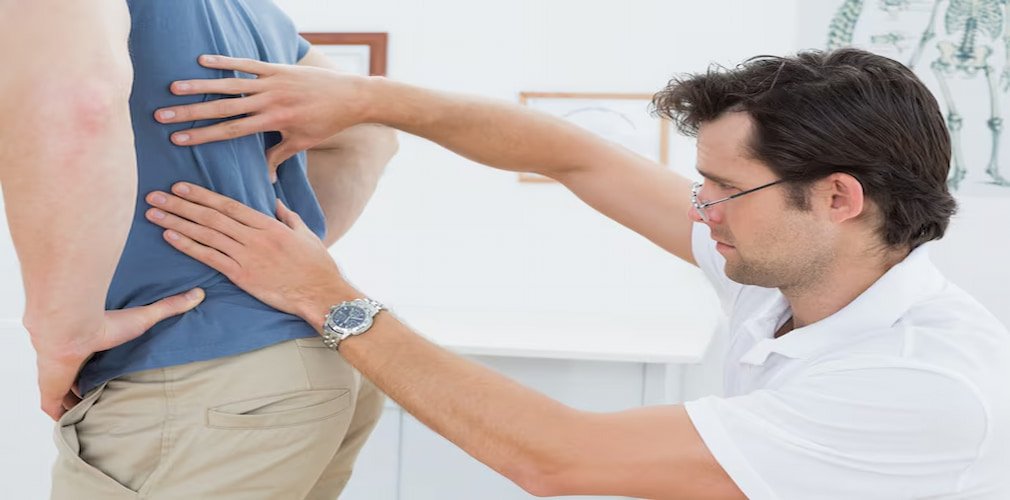
Sciatica Treatment

Sciatica Treatment

S

ciatica is a painful condition caused by a trapped nerve in the spine. The pain typcially starts from the lower back and refers down into the leg. This may be associated with pins and needles, numbness or weakness. Treatment can include physiotherapy, medications, spinal injections, laser spine surgery, keyhole spine surgery or sometimes spinal ozone therapy.

Sciatica can be one of the most painful conditions to affect a persons health.

The sciatic nerve is the longest and thickest of the anatomy and is the extension of the fourth, fifth, fifth, first, second and third sacral roots, whose entanglement forms the sacral plexus. Sciatica affects many people. The most important symptoms are pain radiating to the leg and functional problems. Patients are usually treated in primary care but a small proportion are referred to specialists when the problem does not settle and eventually, they are operated.

Diagnosis

An MRI scan is the most definitive method of diagnosing a disc herniation, spinal stenosis or other cause of sciatica.

Approximately 90% of cases are caused by a herniated disc with root compression but stenosis and, less frequently, tumors are also possible causes.

Low back pain is strongly related to disc degeneration, but disc degeneration is also associated with referred pain or “sciatica” and herniated or disc prolapse, which has adverse effects on other vertebral structures such as muscles and ligaments.

Sciatica is diagnosed mainly by assessing symptoms and physical examination. In general, patients report a pain radiating to the leg. In the presentation, doctors can try to identify the distribution of pain and if it radiates below the knee.

Sciatica in Pregnancy

Many factors are responsible for the onset of sciatica in pregnancy, such as weight gain and postural changes throughout this stage.

Pregnancy itself does not cause sciatica, but rather it is a condition that appears in patients who previously had a back injury.

Treatment Plan

  1. The patient needs to take some rest, but it must not last more than 2 days.
  2. After a couple of days, it is important to leave the bed and perform a light but progressive physical activity, as you are having less pain.
  3. The application of local heat many times a day is helpful. Also, a massage when muscles in that area are contracted is especially efficient.
  4. Take analgesics to relieve pain, such as nonsteroidal anti-inflammatory drugs.
  5. The regular practice of rehabilitation exercises and sports help in the treatment.
  6. Sciatic stretches help to keep the nerve moving and should be performed gently.

Prognosis

In general, the clinical course of acute sciatica is favorable and pain and functional impotence resolve within a few weeks. The prognosis is good in most patients, but at the same time, there is a significant proportion (30%) that continues with pain for 1 year or more.

What is the effectiveness of conservative treatments?

The main objective of conservative treatment is to calm the pain, either by means of analgesics or by reducing the pressure on the nerve root. Conservative treatments do not completely improve the natural course of sciatica in most patients or completely reduce their symptoms.

A small difference was found between the effect of bed rest and that of the continuation of activity on pain and functional status. As a result of this finding, bed rest is less recommended-which was, for a long time, the treatment of sciatica.

What is the importance of surgery in sciatica?

The objective of the surgical intervention is to eliminate the herniated disc and eventually the partial removal of the disc or stenosis of the foramen, in order to eliminate the cause of sciatica.

Laser Disc Surgery is a new technique which can be used to treat lumbar disc prolapse without the need for open surgery. A laser probe is used to shrink the disc prolapse.

Frequently Asked Questions

The fastest way to alleviate sciatica symptoms involves a combination of treatments such as rest, anti-inflammatory medications, gentle stretching, and targeted exercises to relieve pressure on the sciatic nerve, along with physical therapy for long-term management.

Avoid activities that exacerbate sciatica symptoms, such as heavy lifting, prolonged sitting, or sudden movements that strain the lower back, and consult a healthcare professional for proper management and treatment.

Yes, walking is generally beneficial for relieving sciatica pain as it helps to stretch and strengthen the muscles supporting the spine while improving circulation, but it’s important to avoid overexertion and consult with a healthcare provider for personalised recommendations.

Doctors Specialising in Spine Care

Minimally Invasive Spinal Surgery

Minimally Invasive Spinal Surgery

M

inimally invasive spinal surgery is a very interesting new option that can help relieve chronic back and/or leg pain. Keyhole surgery for sciatica, back pain, lumbar fusion, disc replacement is now available. Our top spinal specialists offer the best solutions for treatment. Harley Street Hospital, London.

Recent advances in Instrument technology allows Spinal Surgery to be performed through Keyhole incisions:

Minimally invasive spinal surgery is a very interesting new option that can help relieve chronic back and/or leg pain. Your surgeon is the most qualified professional to advise you, clarify your doubts and present reasonable expectations about your therapy. The decision to operate requires your greatest consideration. Always write down all the questions and decide with your surgeon if minimally invasive spinal surgery is the right option for you.

What is different about minimally invasive surgery compared to traditional surgery?

The traditional spine surgery usually requires long incisions in the back. The muscles are cut and separated from the spine to give access to the area.

Minimally invasive spinal surgery is done through small incisions in the back. Surgeons use special instruments, such as intraoperative radiographs, microscopes, and tubular retractors. Both types of surgery are intended to relieve back or leg pain. However, minimally invasive spinal surgery attempts to cut as little muscle as possible.

Minimally invasive surgery has many advantages over traditional spinal surgery:

  • Smaller incisions.
  • Less blood loss during the surgery.
  • Smaller scars.
  • Shorter hospitalization.
  • Less pain and medication for pain during recovery.
  • Faster return to work and daily activities.

What are the benefits and risks?

Each patient is unique, so there are not two that react in exactly the same way. Minimally invasive surgery is often used for many types of procedures, such as removal of the gallbladder and appendix, as well as a total hip replacement. Recently it has been applied to spine surgery, including spinal decompression and spinal fusion.

Minimally invasive spinal surgery carries the same risks as any general surgery. Complications such as infection, pain and nerve damage may occur. Talk to the surgeon to make sure you understand the risks and benefits of the minimally invasive spine treatment that has been recommended for you.

If there are problems or access to the spinal area is not clear during your minimally invasive surgery, the surgeon may decide that it is necessary to opt for a traditional procedure.

During your recovery, you will see your surgeon on follow-up visits and begin a program of physiotherapy and special exercises. The time of recovery will depend on your body’s ability to heal and varies among patients.

Frequently Asked Questions

The success rate of minimally invasive spine surgery varies depending on factors such as the specific procedure, the underlying condition being treated, and individual patient characteristics, but it generally ranges from 70% to 90% in terms of symptom relief and improved function.

Good candidates for minimally invasive spine surgery are those with conditions like herniated discs, spinal stenosis, or degenerative disc disease who have not responded to conservative treatments, have localised spinal issues, and are in overall good health.

Minimally invasive spine surgery is a surgical approach that utilizes small incisions, specialised instruments, and advanced imaging techniques to treat spinal conditions with less disruption to surrounding tissues, leading to reduced pain, shorter recovery times, and potentially fewer complications compared to traditional open surgery.

Doctors Specialising in Spine Care

Day Surgery Spinal Disc Replacement

L

ow back pain can affect us all. Its importance is directly related to its frequency and intensity. Isolated episodes of pain are usually associated with various causes: after unusual physical exertion, for example. If the pain is frequent and its intensity increases, the problem is more serious.

Being overweight, the absence of regulated physical activity and the lack of knowledge about postural hygiene are risk factors for mild low back pain to become a serious health problem.

It should be noted that low back pain can be due to several physical factors: the state of the musculature, the integrity of the vertebrae and fundamentally, the quality of the intervertebral disc.


About the spinal discs
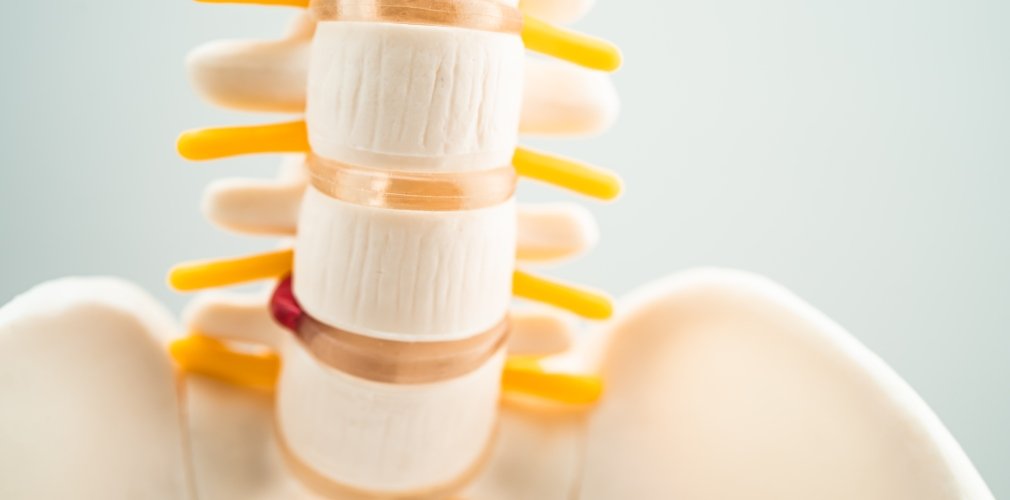
Discs are basically structures made up of liquid. They have two well-defined components: the external part (fibrous ring) and contained by this is the nucleus pulposus, the extrusion of which forms a herniated disc. The discs are pads located between the vertebrae. The discs, the musculature, the ligaments and a part of the vertebrae called the articular processes are key structures to explain the flexibility and movement of our spine in general.

The cause of low back pain in regards to the intervertebral disc stems from dehydration and loss of the nucleus pulposus.


Degenerative disc disease
When obvious dehydration of the disc is diagnosed we go on to name the disease as degenerative disc disease. This pathology can present various degrees of evolution and cause low back pain.

When the patient presents with progressive low back pain, he usually has an inability to carry on a normal life. It is one of the most frequent causes of sick leave, poor physical performance and dependence on pain relievers.

The appropriate diagnosis of this disease can lead us to indicate conservative treatments and potentially surgical treatments that can range from local treatments (infiltrations, facet rhizolysis, nucleoplasties) to surgical treatments, either by immobilizing the affected disc by applying screws and bars, until the total replacement of the disc by a mobile prosthesis.

Lumbar disc arthroplasty consists of removing the diseased disc and replacing it with a mechanical one, without altering the mobility of the spine and preserving the normality of the other discs.

Frequently Asked Questions

Day surgery spinal disc replacement is a minimally invasive procedure where a damaged spinal disc is replaced with an artificial one, typically performed on an outpatient basis, allowing patients to return home the same day as the surgery.

Candidates typically include individuals with specific types of disc degeneration or herniation who have not responded to conservative treatments and meet specific criteria determined by their healthcare provider, such as overall health and the extent of spinal damage.

Recovery involves a period of rest, followed by gradually increasing activity levels as guided by healthcare providers. Patients may undergo physical therapy to regain strength and flexibility, with most able to resume normal activities within a few weeks to months, depending on individual healing and rehabilitation progress.

Doctors Specialising in Spine Care

Minimally Invasive Spinal Surgery

Minimally Invasive Spinal Surgery

Posterior Cervical Spine Surgery

Posterior Cervical Spine Surgery

C

Cervical Spine Surgery may be indicated for patients with trauma, degeneration, persistent neck pain, and unstable conditions. Surgery to the cervical spine should be undertaken by specialists with experience.

Specialists in Cervical Spine Surgery

Many neck problems are due to degenerative changes that occur in the intervertebral discs of the cervical spine and the joints between each vertebra. Other problems are the result of injury to parts of the spine or complications of earlier surgeries. The vast majority of patients who have neck problems will not require any type of operation. However, if the non-operative treatments fail to control your pain or problems, your spine surgeon may suggest a posterior cervical fusion to treat your neck problem.

The purpose of this information is to help you understand:

The anatomy of the cervical spine

  • The types of problems a posterior cervical fusion is used for
  • The rationale for performing a posterior cervical fusion
  • What you can expect from this procedure

Anatomy

In order to understand your symptoms and treatment options, you should start with some understanding of the general anatomy of your neck. This includes becoming familiar with the various parts that make up the neck and how these parts work together.

Surgery is not necessary in every case. No one type of surgery works for every neck pain problem. Numerous surgical procedures have been designed to treat each type of neck pain.

A posterior cervical fusion may be recommended for several reasons:

  • To stop the motion between two or more vertebrae – or spinal segments
  • To straighten the cervical spine and stop the progression of a spinal deformity
  • To stabilize the spine after a fracture or dislocation of the cervical spine

The goal of a posterior spinal fusion is to allow two or more vertebrae to grow together or fuse into one solid bone. If the operation is being done because you are suffering from mechanical neck pain, the fusion can stop the excess motion between the vertebrae caused by segmental instability. This can reduce your pain.

If your spine is unstable, due to a fracture or a dislocation of the vertebrae, the fusion stabilizes the spine. This is particularly important when you have not injured your spinal cord. Stabilizing the spine surgically can protect you from spinal cord injury during the healing process. Even in cases when there has been severe damage to the spinal cord leading to paralysis, a spinal fusion may be recommended, so that you can get out of bed and into a wheelchair faster. This allows early rehabilitation because the spine has been stabilized by the internal fixation.

A posterior cervical fusion may also be suggested to straighten the spine, or control a deformity of the cervical spine such as a cervical kyphosis. The cervical spine normally has a “C” shaped curve with the opening towards the back. A “kyphotic” curve is exactly the opposite – the opening of the “C” points forward. This deformity occurs when the cervical spine is unstable and begins to bend forward.

The Operation

Posterior Cervical Fusion

The bone graft is usually taken from the pelvis at the time of surgery, but some surgeons prefer to use bone graft obtained from a bone bank. Bone graft from a bone bank is taken from organ donors and stored under sterile conditions until needed for operations such as spinal fusion. The bone goes through a rigorous testing procedure, similar to a blood transfusion. This is in order to reduce the risk of passing on diseases, such as AIDS or hepatitis, to the recipient.

There are two basic types of cervical spinal fusion:

Anterior Interbody Fusion

This type of fusion is much more common in the neck. This type of fusion is described above. In the interbody fusion, a bone graft is placed between two vertebrae and replaces the removed disc. During the healing process, the vertebrae grow together, creating a solid piece of bone out of the two vertebrae.

Posterior Fusion

In the posterior fusion, the bone graft is placed on the backside of the vertebrae. During the healing process, the vertebrae grow together, creating a solid piece of bone out of the two vertebrae. This type of fusion is used in the cervical spine for fractures and dislocations of the cervical spine, and to correct deformities in the neck such as cervical kyphosis.

Instrumented Posterior Cervical Fusion

When doing an anterior cervical fusion, the bone graft may simply be wedged in between the vertebra. It is held there simply because it is wedged in tight. In the case of a posterior cervical spine fusion, there is not anywhere to wedge bone graft material, so the bone graft is simply laid on top of the lamina of the vertebrae.

In recent years, there has been an increase in the use of metal plates, screws, and rods to try to increase the success of helping the spine to fuse. Many different types of metal implants are used; all try to hold the vertebrae in position while the fusion heals. Bone heals best when it is held still, without motion between the pieces trying to heal together. The healing of a fusion is no different than healing a fractured bone, such as a broken arm. However, the neck is a difficult part of the body to hold still.

In the past, casts and braces were used in an attempt to reduce the motion in the neck and to increase the success rates of a spinal fusion. In most cases, these braces and casts were simply too cumbersome to wear for three months, and did a poor job of actually holding the neck still enough to allow the fusion to heal.

In the posterior cervical spine fusion, it is common to use stainless steel wire to hold the bones together as they heal. The wires are wrapped around the spinous processes, or under the lamina and twisted together. This creates a fairly strong form of internal fixation that holds the bones in place while they heal.

By using wires, the vertebra can be held rigidly in place while the fusion heals. Braces and casts are not needed.

Complications

With any surgery, there is a risk of complications. When surgery is done near the spine and spinal cord these complications (if they occur) can be very serious. Complications could involve subsequent pain and impairment and the need for additional surgery. You should discuss the complications associated with surgery with your doctor before surgery. The list of complications provided here is not intended to be a complete list of complications and is not a substitute for discussing the risks of surgery with your doctor. Only your doctor can evaluate your condition and inform you of the risks of any medical treatment he or she may recommend.

Frequently Asked Questions

Posterior cervical spine surgery is a surgical procedure performed on the back of the neck to address conditions affecting the cervical spine, such as herniated discs, spinal stenosis, or degenerative disc disease. It involves accessing the spine through the back of the neck to relieve pressure on the spinal cord or nerves and stabilise the affected area.

Common reasons for posterior cervical spine surgery include severe neck pain, weakness, or numbness in the arms, difficulty walking, or loss of bladder or bowel control due to compression of the spinal cord or nerves. Surgery may be recommended when conservative treatments such as medication, physical therapy, or injections fail to provide adequate relief.

Recovery from posterior cervical spine surgery varies depending on the specific procedure performed and individual factors. It typically involves a hospital stay of a few days, followed by a period of restricted activity and physical therapy to regain strength and mobility. Pain management and adherence to post-operative instructions are essential for optimising recovery and achieving the best possible outcome.

Doctors Specialising in Spine Care

Day Surgery Lumbar Microdiscectomy

L

umbar microdiscectomy basically consists of a small surgery to remove the herniated part of the lumbar disc. This injury to the disc causes irritation and/or inflammation in the nerve root since the disc puts pressure on it.

Normally, when the herniated disc produces intense pain, radically affecting our daily life, the intervention is chosen. Microdiscectomy is normally carried out for a lumbar disc herniation, it is highly effective against the leg pain that it causes.

What should I consider before a lumbar microdiscectomy?
Before talking to you about the surgical procedure, it is important to carry out a series of guidelines in our everyday life. Therefore, we are going to leave you with a series of recommendations to deal with lumbar microdiscectomy and its subsequent recovery:

  • Avoid smoking before surgery.
  • Be careful with certain medications. Before surgery, it is essential to inform if you are taking medication.
  • Leading a healthy lifestyle will help the subsequent recovery.
  • During the first days after surgery, it is recommended to make the minimum effort.
  • You should consider asking someone for help in getting you from the hospital to your home, as well as for daily tasks.

The surgical procedure
Having given these tips, it is time to clear up doubts about the surgical procedure:

  • The surgeon will make a small incision, that is, a cut in the midline of the lower back.
  • Next, some of the muscles are separated in order to expose the back and have the correct access to the spine.
  • The surgeon will make a small hole called a laminectomy in your spine.
  • Using the microscope, the surgeon will identify the nerves and disc.
  • Once all the above procedure is done, it is time to remove the damaged part of the disc.
  • Once the pressure on the nerve has been removed, the surgeon will suture the wound.

The results
We must consider that a herniated disc that causes almost excruciating leg pain can take weeks to improve. However, patients who undergo this type of intervention allege that they feel relief in their legs shortly after the intervention.

Another fact to keep in mind is that between 85-90% of the people intervened allege that the intervention has been worthwhile.

Advantages of lumbar microdiscectomy

  • We will mention the following:
  • It decreases leg pain caused by a herniated disc, even eliminating it.
  • The incision made is very small, making it minimally invasive. The surgical incision is at most 3 cms.
  • The healthy material of the disc does not suffer, that is, it is conserved and continues to function normally.
  • Adjacent discs are not damaged in any way.
  • On the day of surgery, you will be able to walk and get up.
  • A quick return to activities of daily and work life.

Frequently Asked Questions

Yes, microdiscectomy is often performed as an outpatient procedure, allowing patients to return home on the same day as the surgery in many cases.

Some back surgeries, such as minimally invasive procedures or certain spinal decompression surgeries, can be performed as day surgeries, allowing patients to return home the same day, while more complex procedures may require a hospital stay for observation and recovery.

A microdiscectomy typically takes around 1 to 2 hours, although the exact duration may vary depending on factors such as the complexity of the procedure and individual patient factors.

Doctors Specialising in Spine Care