Day Surgery Cervical Disc Replacement

G

enerally, the discomfort caused by degenerative diseases of the spine is treated with anti-inflammatory drugs, physical therapy and/or infiltrations. However, sometimes the only way to relieve pain and regain mobility is through surgery (cervical disc replacement).

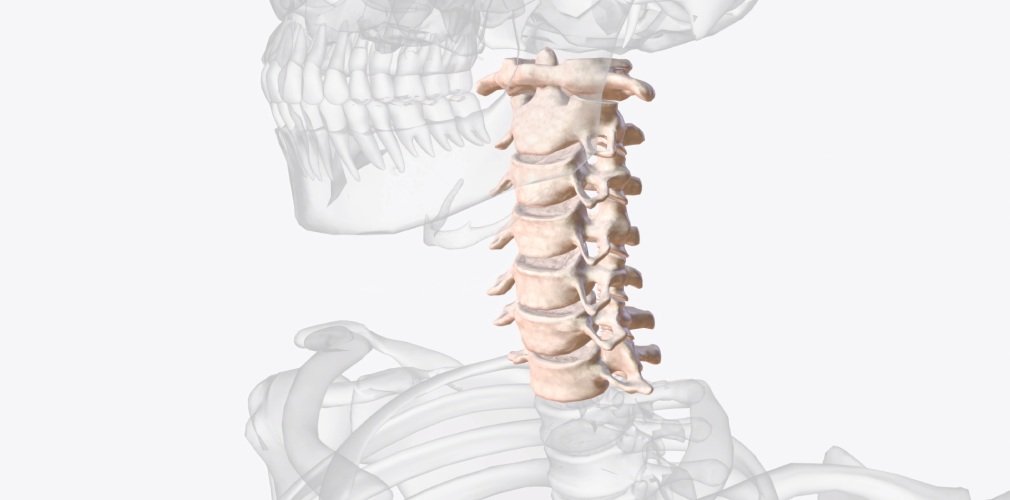
There is a novel surgical technique to treat the most complex cases of cervical disc herniation, a degenerative disease that affects the cervical discs, which are located between the vertebrae of the spine and function as shock absorbers.

The procedure
This sophisticated procedure, called cervical arthroplasty, involves implanting a prosthesis, which is a flexible, synthetic device designed to replace the affected disc. This method allows faster recovery since it reduces the postoperative time from seven days to one. Also, patients do not need to wear a cervical collar after the procedure.

This new surgical modality obeys the current trend of placing prostheses to restore movement of the diseased joint, a technique widely used for example in cases of osteoarthritis of hip or knee.

Main advantages
In traditional surgeries, the affected disc is replaced by bone and the corresponding vertebrae are fixed using plates, in order to join that segment of the spine.

Unfortunately, these vertebral fusions have some disadvantages. Firstly, since the bone’s ability to heal is variable, it is possible for fusion to fail, which can lead to persistent neck pain. Furthermore, this type of joints can generate stiffness in the operated sector, which causes an increase in the mechanical requirements of the adjacent intervertebral discs.

The problem is that this transmitted overstrain can cause accelerated wear of the affected area, which sometimes results in the need for new surgeries to repair the area.

On the other hand, with the new technique, the prosthesis that is placed is not fixed to the upper and lower vertebrae but fits perfectly between the vertebral bodies.

Frequently Asked Questions

Cervical disc replacement surgery typically requires a short hospital stay of one to two days rather than being performed as a same-day surgery.

Patients may typically begin walking shortly after cervical disc replacement surgery, although specific post-operative instructions and restrictions will vary depending on the individual’s condition and the surgeon’s recommendations.

After cervical disc replacement surgery, it’s important to avoid heavy lifting, bending, or twisting motions that could strain the neck, and to follow post-operative instructions provided by the surgeon to promote proper healing.

Doctors Specialising in Spine Care

Day Surgery Lumbar Fusion

L

umbar fusion (also known as arthrodesis) is the most widely used technique in spine surgery and consists of creating a bone weld between 2 vertebrae so that they stop moving. To achieve a good weld requires that there is no movement, the absence of movement allows bone growth which is achieved through the use of the famous screws, rods and interbody devices (they are boxes that are placed between the vertebrae to increase stability and promote fusion).

The surgery consists of stimulating the bone growth so that it grows and two vertebrae so that they stop moving. Often bone substitutes are used to promote the creation of bone solder.

When is lumbar fusion performed?
A lumbar fusion should be performed when we have vertebral instability, vertebral degeneration is very important and/or low back pain is one of the predominant symptoms.

We refer to vertebral instability when there is excessive movement between the vertebrae, sometimes the instability is prior to surgery as occurs in spondylolisthesis.

Sometimes when a nerve decompression is performed we have to remove too many bone structures to access the lumbar canal and decompress the nerve roots, so we generate post-laminectomy instability and it is necessary to fuse the vertebrae.

There are other occasions when there is very advanced disc degeneration or very important osteoarthritis in the joints that join the vertebrae. In these cases, arthrodesis is performed if low back pain is significant.

Types of vertebral mergers
The different types of vertebral fusion can be divided into 2 depending on where we access the vertebra and where the bone bridge or weld is performed. By generalizing we will divide vertebral fusions into posterior and anterolateral.

Complications of lumbar fusion
Performing a spinal arthrodesis increases the risk of complication since it increases the surgical time, which can increase the risk of bleeding and therefore the risk of receiving a transfusion. Increased surgical time is also associated with a higher incidence of infections.

Pseudoarthrosis or lack of union. Sometimes the bone does not grow and vertebral fusion is not achieved. However, we usually have fusion rates higher than 90%. The lack of union causes back pain and excess tension on the screws, which can cause them to break or loosen. To solve a pseudoarthrosis we must re-intervene the patient. To increase stability, we usually put screws with a larger diameter, put in interbody cages if there were none, or increase the size of the interbody cages if possible.

Degeneration of the adjacent disc. There is a theory that increasing the stiffness of the column increases the stress and load on the upper and lower segments of the fusion. The degeneration of the adjacent disc with clinical repercussions varies between 5.2% and 18.5%. When we have a degeneration of the adjacent disc, many times it is necessary to extend the surgery and fuse the vertebrae of the disc that has degenerated.

Frequently Asked Questions

Day Surgery Lumbar Fusion is a minimally invasive surgical procedure used to treat certain types of back pain or spinal conditions. It involves fusing two or more vertebrae in the lumbar spine using bone grafts, screws, and rods to stabilise the spine and alleviate pain.

Candidates for DSL typically have specific spinal conditions such as degenerative disc disease, spinal stenosis, or spondylolisthesis that have not responded to conservative treatments. They should be in good overall health and have realistic expectations about the procedure’s outcomes.

DSL offers several advantages, including shorter hospital stays, reduced risk of complications associated with traditional open surgery, faster recovery times, and the ability for patients to return home on the same day as the procedure. It also minimises disruption to daily life and allows for a quicker return to activities.

Doctors Specialising in Spine Care

Balloon Kyphoplasty Benefits

Balloon Kyphoplasty Benefits

B

alloon kyphoplasty is a minimally invasive treatment that can repair fractures in the spine caused by osteoporosis, cancer or benign lesions. During the procedure, orthopedic balloons are used to gently elevate the fractured vertebra in an attempt to return to the correct position. The bone cement is injected to stabilize the fracture. Kyphoplasty with a balloon takes up to one hour per level of fracture treated. The patient could be admitted in the hospital or the procedure might be performed on an outpatient basis, depending on your general health status as determined by your doctor.

In a clinical study, balloon kyphoplasty was shown to be more effective than non-surgical care for the treatment of acute vertebral compression fractures. Patients treated with balloon kyphoplasty had a faster and greater improvement in the relief of back pain, back function and quality of life in the month following surgery. The benefits of balloon kyphoplasty remained on average over 12 months. The general frequency of patients with collateral events did not differ between balloon kyphoplasty and non-surgical groups. 

Benefits:

  • -3 times greater pain reduction one week after the procedure. And pain reduction maintained in a long term.
  • -4 times the higher quality of life one month after the procedure. Quality of life advantage remained after 2 years.
  • -5 more days out of bed in the first month and over 120 days out of bed in the first 2 years after the procedure.

Patients generally experience relief of fracture pain in the spine a week after the procedure. Your doctor will probably schedule a follow-up visit and explain the limitations, if any, on physical activity. Most patients return to their usual activity within a few days.

Frequently Asked Questions

Balloon kyphoplasty is a safe and minimally invasive procedure used to treat vertebral compression fractures. It boasts a high success rate in reducing pain and restoring spinal stability. Complications are rare but can include infection, bleeding, and nerve injury. Patient selection, surgeon experience, and postoperative care are key factors in ensuring safety and optimal outcomes.

Balloon kyphoplasty involves inserting a deflated balloon into the fractured vertebra through a small incision. The balloon is then inflated to create a cavity, restoring vertebral height. Once the desired height is achieved, the balloon is deflated and removed, and bone cement is injected into the cavity to stabilise the fracture. This procedure helps alleviate pain and restore spinal alignment.

Balloon kyphoplasty may be suitable for individuals with painful vertebral compression fractures caused by osteoporosis or trauma. However, candidacy depends on various factors, including the severity and location of the fracture, overall health, and medical history. It’s essential to consult with a healthcare provider to determine if balloon kyphoplasty is the right treatment option for your specific condition.

Doctors Specialising in Spine Care