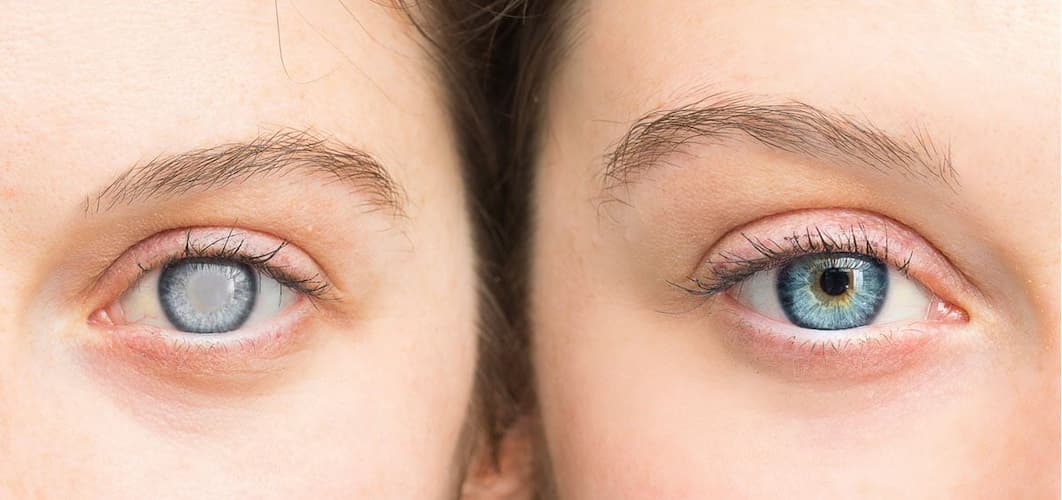
Cataracts


Cataracts

Cataract is defined as the opacity of the lens. When we speak of the lens we refer to the natural lens of the eye. It is located behind the pupil and its function is to focus the objects at different distances (near, intermediate and far).

Over the years, the crystalline lens begins to lose its natural transparency, causing cloudy vision. So we can say that everyone if they live long enough, will have cataracts with age. Normally all people over 65 have some degree of cataract.

Cataract types:

-Nuclear: It is the most frequent type of cataract and its main cause of appearance is age. In this type of cataract, the nucleus of the crystalline gradually hardens and loses its transparency, which induces myopia.

-Posterior subcapsular: This type of cataract is frequent in diabetic patients, patients who have taken many corticosteroids or in patients who have suffered previous ocular inflammation. In this type of cataract, the crystalline lens loses its transparency in the area that is attached to its posterior capsule. It usually generates distortion of the images, vision loss, photophobia (discomfort due to light exposure) and a faster evolution than normal.

-Cortical: The loss of transparency occurs on the outside of the lens (cortex), causing double vision and can be mistaken for strabismus (crossed).

The main symptoms of ocular cataract are caused by the opacification of the lens and appear after 50 years:

Symptoms of the appearance of the cataract:

  • Blurred and sometimes double vision.
  • Discomfort with exposure to light.
  • Frequent modifications in the prescription of glasses.
  • A nuisance when driving at night.
  • Improvement of near vision (appearance of myopia).

The only possible treatment before the appearance of the cataract is surgery.
The cataract surgery involves the replacement of the opacified lens with an artificial intraocular lens.
Currently, the most used surgical technique is phacoemulsification with ultrasound and consists of the fragmentation and aspiration of the lens nucleus through a small incision in the cornea.

At Harley Street Hospital, we have the best specialists to treat this condition. Book an appointment to get a doctor´s evaluation.

Frequently Asked Questions

The primary cause of cataracts is the natural aging process, although factors such as genetics, prolonged UV exposure, smoking, and certain medical conditions like diabetes can increase the risk.

Cataracts can be effectively treated through surgery, where the cloudy lens is removed and replaced with an artificial lens. This procedure can significantly improve vision and quality of life for individuals with cataracts.

Preventive measures to slow cataract progression include wearing sunglasses to block UV rays, maintaining a healthy diet rich in antioxidants, quitting smoking, managing conditions like diabetes, and regular eye exams for early detection and intervention.

Balloon Kyphoplasty Benefits

Balloon Kyphoplasty Benefits

B

alloon kyphoplasty is a minimally invasive treatment that can repair fractures in the spine caused by osteoporosis, cancer or benign lesions. During the procedure, orthopedic balloons are used to gently elevate the fractured vertebra in an attempt to return to the correct position. The bone cement is injected to stabilize the fracture. Kyphoplasty with a balloon takes up to one hour per level of fracture treated. The patient could be admitted in the hospital or the procedure might be performed on an outpatient basis, depending on your general health status as determined by your doctor.

In a clinical study, balloon kyphoplasty was shown to be more effective than non-surgical care for the treatment of acute vertebral compression fractures. Patients treated with balloon kyphoplasty had a faster and greater improvement in the relief of back pain, back function and quality of life in the month following surgery. The benefits of balloon kyphoplasty remained on average over 12 months. The general frequency of patients with collateral events did not differ between balloon kyphoplasty and non-surgical groups. 

Benefits:

  • -3 times greater pain reduction one week after the procedure. And pain reduction maintained in a long term.
  • -4 times the higher quality of life one month after the procedure. Quality of life advantage remained after 2 years.
  • -5 more days out of bed in the first month and over 120 days out of bed in the first 2 years after the procedure.

Patients generally experience relief of fracture pain in the spine a week after the procedure. Your doctor will probably schedule a follow-up visit and explain the limitations, if any, on physical activity. Most patients return to their usual activity within a few days.

Frequently Asked Questions

Balloon kyphoplasty is a safe and minimally invasive procedure used to treat vertebral compression fractures. It boasts a high success rate in reducing pain and restoring spinal stability. Complications are rare but can include infection, bleeding, and nerve injury. Patient selection, surgeon experience, and postoperative care are key factors in ensuring safety and optimal outcomes.

Balloon kyphoplasty involves inserting a deflated balloon into the fractured vertebra through a small incision. The balloon is then inflated to create a cavity, restoring vertebral height. Once the desired height is achieved, the balloon is deflated and removed, and bone cement is injected into the cavity to stabilise the fracture. This procedure helps alleviate pain and restore spinal alignment.

Balloon kyphoplasty may be suitable for individuals with painful vertebral compression fractures caused by osteoporosis or trauma. However, candidacy depends on various factors, including the severity and location of the fracture, overall health, and medical history. It’s essential to consult with a healthcare provider to determine if balloon kyphoplasty is the right treatment option for your specific condition.

Doctors Specialising in Spine Care