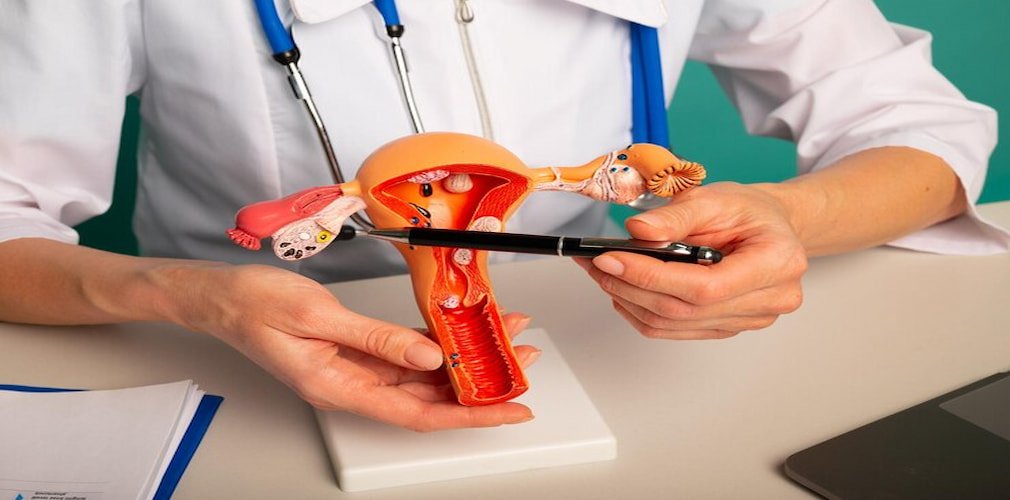
Human Papilloma Virus (HPV) Treatment

Human Papilloma Virus (HPV) Treatment

I

n most cases, HPV infections are not serious, are asymptomatic, transient, and disappear without treatment. However, in some people, HPV infections cause the appearance of genital warts, Pap test abnormalities, or, rarely, cervical cancer.

The Pap test is useful for the early detection of cervical cancer, one of the possible results of an HPV infection. Early detection and treatment of precancerous lesions can prevent the development of cervical cancer.

Treatment Schemes

There are a variety of options available for treatment of visible genital warts. There is no definitive evidence to suggest that some treatment is better than others. The factors that may influence the selection of the treatment include the patient’s preference, the available resources, the experience of the health professional, the size, the quantity, the anatomical site and morphology of the wart, and the cost, convenience, and adverse effects of the treatment.

The most common way to reduce infection by a sexually transmitted infection (STI) is the treatment. However, there is no effective systemic treatment for genital HPV, and treatment for subclinical genital HPV infection (diagnosed by colposcopy, biopsy, or acetic acid application) is not recommended in the absence of squamous intraepithelial lesions.

Treatment for genital HPV can be applied to lesions, such as genital warts or precursors of cervical cancer (by treatments such as cryotherapy, electrocautery, or surgical excision).

Sometimes, genital warts can disappear on their own and may not change or increase in size and quantity.

The effect of treatment on future transmissions of an HPV infection is not known. The main objective in treating visible genital warts is their elimination, for cosmetic reasons.

At Harley Street Hospital, we have the best doctors to treat HPV. Book a consultation to get a specialist´s opinion.

Frequently Asked Questions

The treatment for papillomas depends on their location and size but may include surgical removal, cryotherapy (freezing), or medications to address symptoms.

Yes, most individuals with HPV lead normal lives as the body often clears the virus on its own. However, regular screenings and safe sexual practices are important for managing risks associated with HPV-related conditions.

Yes, the immune system can clear HPV infections at any age, but it is less likely as individuals get older, and persistent infections may increase the risk of HPV-related health problems. Regular screening and vaccination are crucial for prevention and early detection.


HPV Vaccination

HPV Vaccination

V

accination has proven to be a successful measure in the prevention of multiple infectious diseases and its massive application has achieved the disappearance of many of them. An infectious agent is an indispensable part of the genesis of cervical cancer and the idea of looking for a vaccine against that agent came a long time ago.

Currently, the vaccine is a reality: the infectious agent is human papillomavirus (HPV) of a variety of high oncogenic risks. Human papillomavirus vaccines are a new and effective resource in the strategies of primary prevention of cervical cancer.

Effectiveness of vaccines against cervical cancer precursor lesions:

The preventive effect of the available human papillomavirus vaccines is proven for precursor lesions of cervical cancer.

There are three stages of cervical intraepithelial neoplasia (CIN): CIN 1, CIN 2, and CIN 3. These stages are determined according to the severity of the changes that appear in the cells: slight, moderate, or high.

The tetravalent vaccine protects against CIN 2 produced by human papillomaviruses 16 and 18, in 97 to 100% of women. For cross-protection, it also protects against the same injuries caused by other types of high-risk human papillomaviruses: type 31 (46.2% of protection), type 33 (28.7%), type 45, (7.8%) and type 52 (18.4 % of protection).

The bivalent vaccine protects against CIN 2 produced by human papillomavirus 16 and 18 in around 92.9 and 95.7% of women. For cross-protection, it also protects against injuries caused by types 31 (36.1% of protection), 33 (36.5%), 45 (59.9%) and 52 (31.6%).

Despite their high rates of effectiveness, vaccinated women may develop cervical cancer due to vaccine failure (which is extremely rare) or because it is caused by high-risk human papillomavirus against which it was not offered protection. The need for detection, even among vaccinated women, it’s essential.

Other benefits of human papillomavirus vaccination

The human papillomavirus vaccination offers, at the same time to vaccinated men and women, protection against other types of cancer.

Patients can get a vaccine against HPV at Harley Street Hospital. Book an appointment with us to help prevent this disease.

Frequently Asked Questions

Yes, the HPV vaccine is approved for individuals up to age 45 in some countries, but effectiveness may decrease with age. It is best to consult with a healthcare provider to determine if it is appropriate for you.

The HPV vaccine protects against certain strains of the human papillomavirus (HPV) that can cause cervical cancer, genital warts, and other HPV-related cancers.

The HPV vaccine is typically recommended for both males and females between the ages of 9 and 26, with the possibility of vaccination up to age 45 in some cases.

The HPV vaccine is ideally administered before the onset of sexual activity, typically between ages 11 and 12, but it can be given up to age 26 for those who have not been vaccinated previously or completed the series.

Heavy Periods

Heavy Periods

M

enstruation is defined as periodic, spontaneous uterine bleeding, which expels the endometrium of an ovulatory cycle. In the normal menstrual period, the average duration of the cycle is 21 to 35 days, the volume of bleeding is 30 to 80 ml and the duration is calculated from 2 to 7 days.

Hypermenorrhea (or menorrhagia) refers to a menstruation at regular intervals that is increased in quantity (more than 80 ml) and does not exceed 7 days.

Reports from the World Health Organization indicate that 18 million women aged 30 to 55 years perceive their menstrual bleeding as excessive. Reports show that only 10% of these patients experience blood loss severe enough to cause anemia or to be clinically defined as menorrhagia.

In practice, the measurement of menstrual blood loss is difficult. Therefore, the diagnosis is usually based on the patient’s history. Excessive bleeding is considered when there is one or two saturated napkins or tampons in a maximum time of 3 hours, a number of used sanitary towels greater than 7 a day, or both.

Menorrhagia should be distinguished clinically from other common gynecological diagnoses. This includes metrorrhagia (flow at irregular intervals), menometrorrhagia (frequent, excessive and prolonged flow), polymenorrhoea (bleeding at shorter intervals than 21 days) and dysfunctional uterine bleeding (abnormal uterine bleeding, without obvious structural or systemic abnormality, usually anovulatory).

So, for menstrual bleeding to be properly controlled, it is necessary that the myometrical contractility is sufficient, the epithelization of the endometrial mucosa has not suffered alterations and blood coagulation occurs normally.

Causes of Heavy Periods

Any process produced by various causes, whether genital or extragenital, or both types at the same time, and that alters any of these mechanisms, can cause hypermenorrhea. However, less than 50% of the cases have an identified cause.

The most common anatomical causes of hypermenorrhea are uterine myomatosis, especially submucosal myomas, and endometrial polyps. In the presence of uterine pathology (myomas / adenomyosis and to a lesser extent endometrial polyps), disturbances in the production and / or release of angiogenic factors (vascular endothelial growth factor [VEGF], fibroblast-derived growth factor [FGF] and factor growth transforming beta [TGF-B]) may be the underlying disorder of the vascular fragility.

At Harley Street Hospital, we have the best doctors who are trained to diagnose and properly treat these conditions. Book a consultation to get a specialist´s opinion.

Frequently Asked Questions

Heavy periods, medically known as menorrhagia, can be caused by various factors such as hormonal imbalances, uterine fibroids, polyps, adenomyosis, pelvic inflammatory disease, or certain medications. Consulting a healthcare provider can help determine the underlying cause and appropriate treatment.

Managing a heavy period involves options such as over-the-counter pain relievers, hormonal birth control, or medical procedures such as endometrial ablation. Consulting a healthcare provider is recommended for personalised guidance and treatment.

Yes, periods can sometimes get heavier with age, particularly as women approach perimenopause, due to hormonal fluctuations and changes in the uterine lining. However, any significant change in menstrual flow should be evaluated by a healthcare provider to rule out underlying conditions.

Female Infertility

Female Infertility

I

nfertility is a condition that affects 15-20% of couples in their reproductive age. This deficiency can have a negative impact on the development of the individual, producing frustration and weakening the personality, since most couples consider having children as a goal of life.

Causes of Female Infertility

Anovulatory Infertility

Anovulation is defined as the condition in which the development and the follicular rupture are altered and therefore the oocyte is not released from the follicle. Several causes have been identified, including autoimmune genetic factors, and others, such as chemotherapy. The ovarian dysfunction, secondary to gonadotropic regulation is another cause.

Hyperprolactinemia

Hyperprolactinemia (higher-than-normal levels of the hormone prolactin in the blood) alters pulses of secretion of gonadotropin-releasing hormone (GnRH) and based on circulating concentrations of prolactin, clinical manifestations such as an inadequate luteal phase, anovulation and amenorrhea may appear.

Hypogonadotropic Hypogonadism

It is observed in cases with weight disorders and excessive exercise. It can be idiopathic or caused by pituitary or hypothalamic dysfunction.

Hypergonadotropic Hypogonadism

This is the usual situation in patients under 40 years old with premature ovarian insufficiency, women with resistant ovaries, or with genetic disorders.

Polycystic Ovaries

It is the endocrine pathology of major prevalence and the most frequent cause of anovulation.

Women with polycystic ovaries may present a wide range of symptoms and clinical signs; however, anovulation and hyperestrogenism are considered prerequisites in this pathology.

Tubal-Peritoneal Infertility

Tubal-peritoneal factors are responsible for 30% of the causes of infertility. The functions of the fallopian tubes are intimately linked to the integrity of the ciliated epithelium responsible for the uptake of oocytes. Fertilization takes place at the outer end of the ampullary section. The tubes also participate in the early development of the embryo and in its transport to the uterine cavity. Therefore, any anatomical or functional alteration of the tubes is associated with infertility.

Endometriosis

The association between endometriosis and infertility was established long ago. Several situations have been suggested to explain the presence of infertility in patients with endometriosis, among which there are anatomical, anovulation and luteal phase alterations.

Uterine Infertility

There is a wide spectrum of uterine abnormalities, whether congenital or acquired, associated with the presence of infertility or recurrent miscarriages. Examples include congenital alterations, intrauterine exposure to medications, submucosal fibroids, polyps and synechiae.

At Harley Street Hospital, we believe in making a difference to the lives of women. Book a consultation to get our specialist´s opinion.

Frequently Asked Questions

Common causes of female infertility include ovulation disorders, blocked fallopian tubes, uterine abnormalities, and age-related decline in ovarian function.

If you suspect infertility, consult a healthcare provider who can perform tests such as hormone evaluations, semen analysis, and imaging studies to assess reproductive health and identify potential causes of infertility.

Female infertility can often be treated or managed with various medical interventions, lifestyle changes, and assisted reproductive technologies, depending on the underlying cause. However, success rates vary, and it is essential to consult with a healthcare provider for personalised treatment options.

Colposcopy Examination

Colposcopy Examination

C

olposcopy involves performing a detailed visual examination of the cervix. It is also possible to check the vagina and external genitalia.

Colposcopy is a complementary diagnostic technique that is performed when there are various alterations in the results of a cervical smear test. Visualizing the cervix in this way will allow identifying changes in the morphology of the epithelium that lines the cervix and direct the biopsies to these specific areas.

How it is performed?

A device called a colposcope is used. It is an instrument similar to a microscope and has a system of lenses that allow increasing the size of the studied image to observe it in detail.

The woman should be placed in the same position as to perform a cervical smear test, that is, lying face up on a stretcher with support to place the legs. With the knees bent and the legs separated, the genital area is exposed.

With a speculum, which is a device that is inserted into the vagina and opened, the uterine cervix is visualized.

Once the cervix is exposed, the vaginal secretions are cleaned with gauze. After the cervix and vagina are washed with an acetic acid solution which not only removes the remains of existing mucus but produces transient changes in the tissue of the cervix that allows it to be studied properly.

Generally, the examination is completed by dyeing the cervix with a brown liquid (Lugol solution) that allows identifying with great precision places on the cervix where there may be alterations since these anomalous areas do not capture the dye well and therefore differ significantly from the tissue healthy which turns dark brown.

The examination is performed with different lenses that provide different types of magnification and with the placement of color filters, usually green, which highlights the presence of blood vessels. Colposcopes can have systems that allow recording images in photographs, for further study or to compare the evolution of treatment.

At Harley Street Hospital, we have the best doctors to perform colposcopy. Book a consultation to get a specialist´s checkup.

.

Frequently Asked Questions

Colposcopy itself is usually not painful, but some women may experience minor discomfort or a sensation of pressure during the procedure. If a biopsy is taken, there may be a brief pinch or cramp-like sensation.

A colposcopy itself cannot definitively diagnose cervical cancer, but it can identify abnormal areas on the cervix that may require further evaluation, such as a biopsy, to determine if cancer or precancerous changes are present.

Colposcopy and Pap smear (Pap test) serve different purposes in cervical cancer screening. A Pap smear collects cells from the cervix to detect abnormal changes, while colposcopy allows for a closer examination of the cervix if abnormalities are found. Both are important components of cervical cancer screening, often used together for comprehensive evaluation.