Breast Reduction Surgery

Breast Reduction Surgery

B

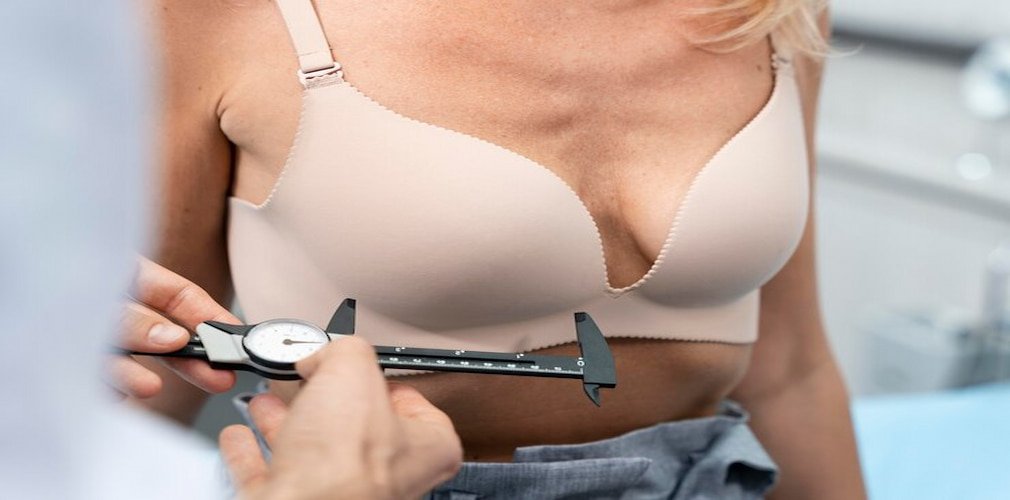
reast reduction (also called reduction mammoplasty) is a surgical procedure to decrease the size of the breasts, by removing fat, breast tissue and skin, making them smaller, lighter and firmer.

When is breast reduction indicated?

It is aimed at women with large breasts, who may present some problems due to this excess weight, such as back and neck pain, skin irritation under the breast and respiratory problems. The purpose of reduction mammoplasty is to provide a woman with smaller breasts and with a shape more proportional to the rest of her body.

Does it affect breastfeeding?

In this type of surgery skin, breast tissue (gland) and fat are removed. In theory, it does not affect breastfeeding because we leave enough gland for milk and it remains connected, so operated women can breastfeed normally.

The amount of milk does not depend on the breast reduction, nor on the surgery, nor on the amount of the existing mammary gland. There are women who without having surgery have very small breasts and when they have children they give them a lot of milk. Others who have very large breasts and give little milk.

The surgical procedure

Of all the breast surgeries, such as augmentation, lifting and reduction, the latter is undoubtedly the most complex. In terms of time, it takes between three and four and a half hours, which is twice or triple that of breast augmentation surgery. The surgical procedure is described as follows:

  1. Incisions outline the area of the excess tissue to be removed.
  2. Excess skin and fat are removed. The nipple and areola are then moved to a new and higher position.
  3. The incisions are brought together to reshape the now smaller breast.
  4. Sutures are placed around the areola and can extend downwards and horizontally under the breast crease.

Preparation and recovery for breast reduction

For breast reduction surgery, no special preparation is required, but the same as any surgery, including pre-operative examinations.


Patients leave the clinic the next day after surgery and must remain a few days with relative rest. After that time, you can start doing your normal daily life.

Sometimes a silicone tube is left in the armpit as a drain for three or four days, never more than a week.

During this time, you must wear a special sports bra that is very firm, even when sleeping. After this time you can go back to wearing a normal bra, but clearly smaller.

Doctors Specialising in Spine Care

Ear Reshaping (Otoplasty)

Ear Reshaping (Otoplasty)

O

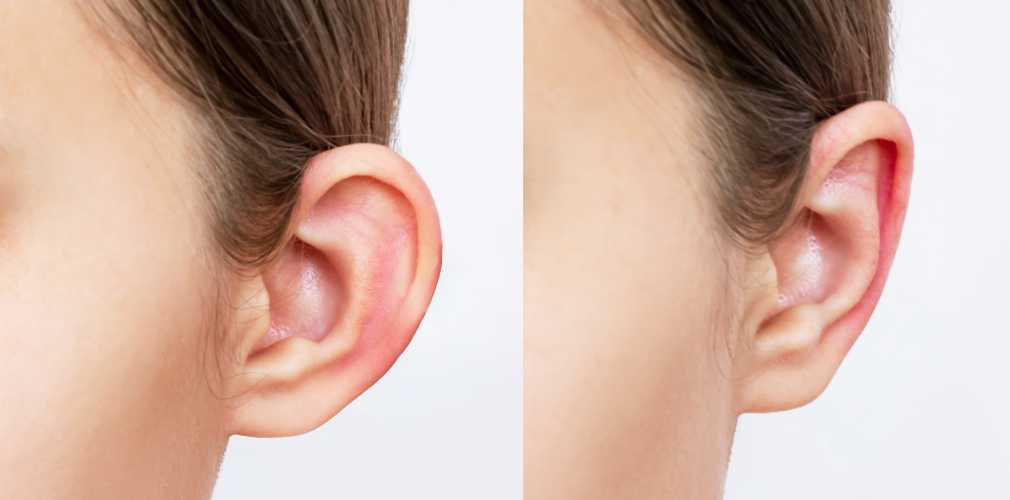
toplasty improves the proportion, shape or position of the ears. A malformation of the ears from birth or that manifests itself during childhood can be corrected by otoplasty. This procedure is also used to treat deformities caused by injuries.

Otoplasty remakes the natural shape of the ears while providing proportion and balance to the face. Correcting deformities, even minor ones, has great benefits in the person’s self-esteem.

What can ear surgery correct?

-Too large ears, a condition called macrotia.
-Prominent ears on both sides or on one side to varying degrees – not associated with hearing loss.
-Dissatisfaction with previous ear surgery.

Who can be a candidate for ear reshaping?

Children included in the following groups:

-Healthy, without serious illness or chronic ear infections that have not been treated.
-From 5 years old, or at the moment that the cartilage of the ear is stable enough for correction.

Adults who may be candidates for otoplasty are:

-Healthy individuals who do not have a serious illness or medical conditions that may impair recovery.
-People with a positive and realistic perspective regarding the intervention.

Before an otoplasty. Preoperative

The success and safety of your procedure depend largely on your total frankness during the consultation with the professional. You will be asked several questions about your health and lifestyle. During an otoplasty consultation you should expose:

-Why you want the procedure, your expectations and the desired result.
-Medical conditions, drug allergies, and medical treatments.
-Use of current medications, vitamins, herbal supplements, alcohol, tobacco, and drugs.
-Previous surgeries.

The surgical procedure

An otoplasty is carried out as follows:

Step 1 – Anesthesia

The operation is carried out with local anaesthesia and sedation, on an outpatient basis.

Step 2 – The incision

For correction, surgical techniques are used to create or increase the fold of the antihelix (just inside the edge of the ear) and reduce the depth of the shell. The incision in otoplasty is usually done behind the ear. When incisions are needed at the front of the ear, they are made inside its folds to hide them. Nonremovable internal sutures are used to create and secure the newly formed cartilage.

Step 3 – Close the incision

After verifying that there is no bleeding, the incision is closed using stitches.

Step 4 – The results

Otoplasty presents immediate visible results once the bandage covering the ear is removed in the initial healing phase. The scars resulting from the surgery are hidden inside the natural folds or behind the ear and tend to lighten over the months so they go unnoticed.

Postoperative. What is the recovery process after otoplasty?

The discomfort after otoplasty is normal and can be controlled with pain relievers. Itching can also occur, but in any case, it is essential that the bandages remain intact and that they are not removed for any reason.

After surgery, bandages are placed to keep the intervened area clean and to support the new position of the ear during initial healing.

You will be given specific instructions on ear care, medications during the recovery process, and review appointments.

It is important that the surgical incisions are not exposed to sunlight during the healing time.

Doctors Specialising in Spine Care

Rhinoplasty – Nose Surgery

Rhinoplasty – Nose Surgery

R

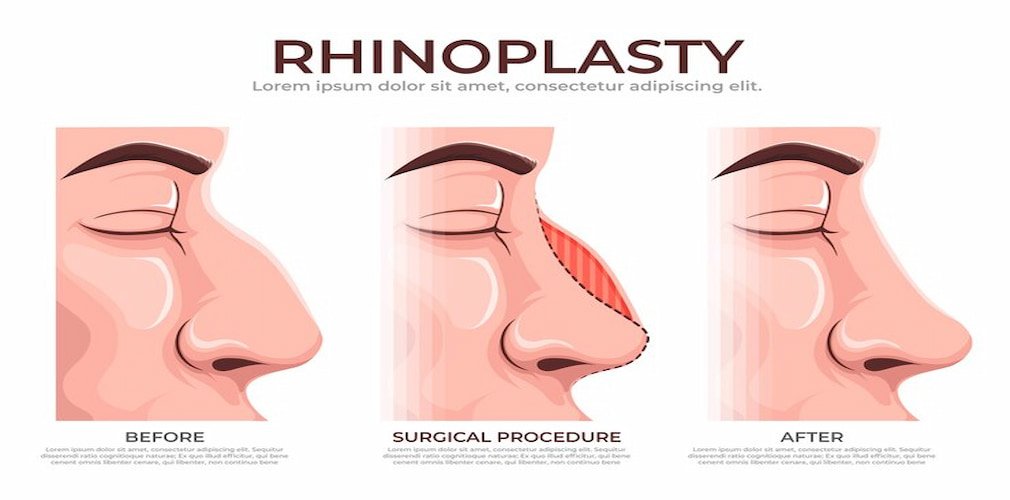
hinoplasty is the surgical intervention that is practised to correct deformities of the nose. It consists, fundamentally, in modifying the nasal cartilage and bone structures to achieve a new shape that improves facial harmony. When, in addition, the deviation of the nasal septum is corrected to improve respiratory function, it is called rhinoseptoplasty.

The surgical procedure

The surgery, which is usually carried out under general anaesthesia or, in selected cases, with local anaesthesia and sedation, begins by approaching the nose through internal incisions, in such a way that there are no visible scars. The surgeon makes incisions and models the nasal bones and cartilage to achieve the desired shape. In some occasions, incisions are also made at the base of the nasal wings. To help shape or support the nasal pyramid, different tissues from the patient’s own (cartilage, bone) or, more rarely, synthetic materials are used as grafts.

Postoperative period

After the intervention, which usually lasts about an hour, a nasal tamponade is placed, which is usually removed in 2 to 4 days, except if a septoplasty has been performed, in which case it is left for up to five days. Also, a plaster splint is applied to the nose that is maintained for a week to 10 days.

Certain postoperative oedema and the presence of periorbital ecchymosis are common, especially if osteotomies have been performed, which usually subside after a week. Most patients will be able to return to normal life in about 8-10 days.

The results

You cannot make a judgment about the result of a rhinoplasty until several months, even a year, have passed. This is the time that the tissues need to stabilize and the scars to carry out their maturation process. The intention of the rhinoplasty is that the “new” nose does not attract attention, and is fully integrated into the general context of the face, producing a harmonious and pleasant set.

On some occasions, whether due to serious initial anatomical changes, tissue healing disorders, postoperative trauma, etc., the perfection of the result is not achieved (asymmetries, irregularities in the nasal contour, etc.), so A surgical retouching may be necessary, in which case it will be carried out after six months.

Who is a candidate for rhinoplasty?

The ideal candidates to undergo rhinoplasty are those people who are looking for improvement, and not absolute perfection, in their appearance. If you are in good general health, have psychological stability, and are realistic in your expectations, you will be a good candidate. Rhinoplasty will improve your appearance and self-confidence, but it will not make us look like someone else or be treated differently. Before deciding whether to have a rhinoplasty, think about what you want to achieve and discuss it with your plastic surgeon.

Age should also be taken into account. Most plastic surgeons prefer not to perform cosmetic rhinoplasty before the age of 18. Likewise, it is important to consider the emotional and social adjustments of adolescents and be sure that it is they, and not their parents, who want to undergo rhinoplasty.

Doctors Specialising in Spine Care

FaceLift Surgery – Rhytidectomy

FaceLift Surgery – Rhytidectomy

A

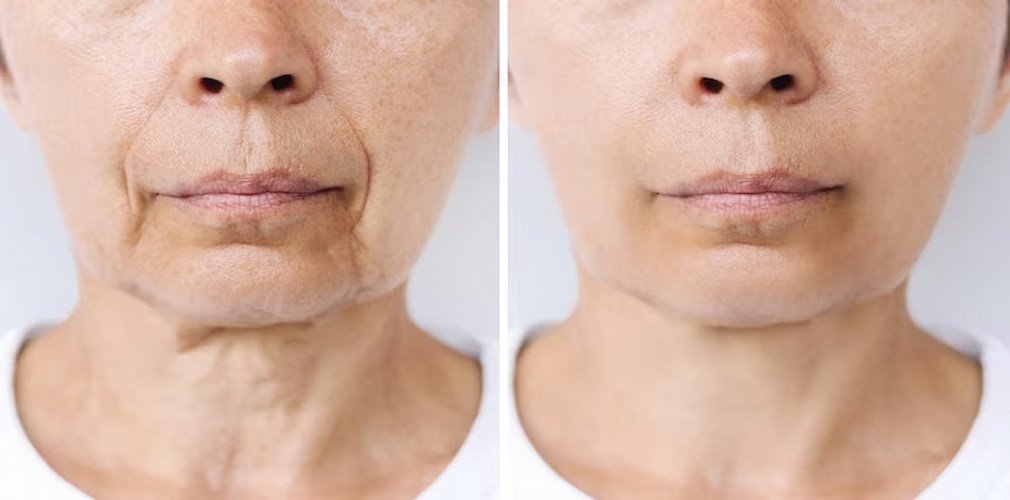
s we age, the effects of gravity, sun exposure, and the stress of daily life are felt on our faces. Deep grooves form between the nose and mouth; cheeks droop; fat and wrinkles appear around the neck.

Facelift is a procedure intended to tighten the facial and cervical skin in order to reduce folds or wrinkles. The bone structure of the face, the musculature and the skin texture undergo an involutional process over the years.

The facelift can be performed in isolation or associated with other procedures such as blepharoplasty or rhinoplasty. The forehead lift corrects the drooping of the eyebrows and the wrinkles on the forehead and eyebrows.

Who is the ideal candidate to undergo a facelift?

The ideal candidates to undergo a facelift surgery are those women or men whose face and neck begin to become loose, but whose skin still retains some elasticity. Most patients are between the ages of 40 and 60, but it can also be successfully performed between the ages of 70 and 80. A facelift can make you look younger and increase self-confidence, but it will not give you a completely different look, nor can it restore your health or vitality. Before deciding whether to have a rhinoplasty, think about what you want to achieve and discuss it with your plastic surgeon.

Postoperative period

After surgery, and especially during the first 24 hours, you may feel a swollen face, nose discomfort and headache, which subside with medication. You must lie with your head elevated for the first day (except to go to the bathroom). You will notice that the swelling and bruising around the eyes increase to a maximum within 2 or 3 days. Applying cold compresses will decrease the swelling and you will feel better. In any case, you will feel better than you might seem from your looks. Most bruising and swelling will go away in about 2 weeks (minimal swelling, practically only noticeable by your surgeon, may last for a few months). It is normal for light bleeding from the nose to occur during the first few days. After a week, or at most two, the plaster will be removed, and the skin spots, if any.

Risks of facelift

When the facelift is performed by a qualified plastic surgeon, complications are infrequent and of little importance. However, each person has specific anatomy, physical reactions and different healing abilities, and therefore the results are not absolutely predictable. There may be some complication, such as bruising, almost always temporary injury to the nerves that control the facial muscles, infection, and reactions to anaesthesia. Scarring problems are more common in smokers. Risks can be minimized by carefully following your plastic surgeon’s instructions, both before and after surgery.

Results

The results are very satisfying and you will feel happy as long as you understand that the result is not immediate. Even after the swelling and bruising are gone, the hair around the temples may be fine and the skin somewhat dry and rough for a few months. The facelift scars will be hidden behind the hair and in the natural folds of the face; in any case, they will decrease with time, becoming less visible.
A facelift does not stop the clock; your face will continue to age as time goes by, and you may even want to undergo a new facelift after 5 or 10 years. However, the results are long-lasting.

Doctors Specialising in Spine Care