
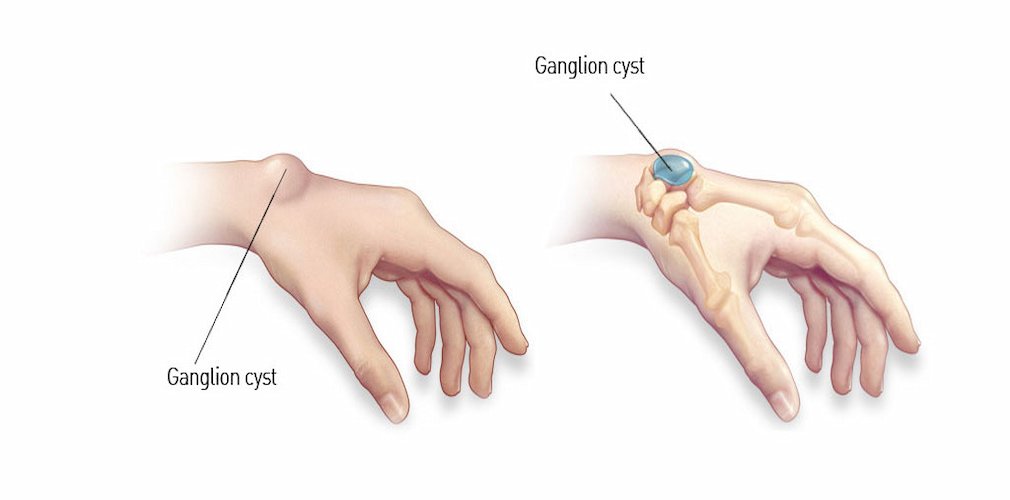
What is a Ganglion?

What is a Ganglion?

A

 ganglion is a benign cyst that forms on a joint or tendon. It is filled with a lubricating liquid that is used to reduce the friction that occurs when moving certain tendons and joints in our body. They are usually located in the wrist area, on the back of the hand, on the fingers, or on the instep. Less often they may also appear on the knee, shoulder, back, or other areas of the body.

What are the causes of the ganglion?

The causes of ganglions are unknown, although they have been attributed to rubbing or continued use of certain tendons or joints. Some ganglions may appear after hitting the area.

Symptoms of the disease

Symptoms are the appearance of a lump in a certain area, which may not produce symptoms, may hurt or may hinder the mobility of the joint where it is located. Sometimes they can decrease in size or disappear on their own after a while. Some ganglions are not visible to the naked eye and produce local pain, being diagnosed after performing special radiological tests such as MRI (Magnetic Resonance Imaging).

How are cysts diagnosed?

It is usually a simple diagnosis just by looking at it. Since it is filled with liquid, light passes through it, so intense light can be applied to the lump and demonstrate that light passes through it.
Occasionally, an X-ray, ultrasound, or MRI may be necessary to better view the area and reach a diagnosis.

What is the prognosis of the cyst?

The prognosis is good. Firstly, because even if it is a tumour, it is totally benign. Also, if proper treatment is followed, the cyst can easily disappear. There are even cases in which the cyst has disappeared on its own, without being subjected to any treatment. However, even if it is successfully removed, it can appear again.

Can it be prevented?

This type of cyst can be prevented by targeted relaxation exercises. This is especially important for those people who work long hours with the computer or doing activities that can affect joint tension, with repetitive movements. The ganglion is produced by the tension generated in the wrist, therefore, it is important to perform this type of stretching so that the muscles relax.


Frequently Asked Questions

Ganglions can sometimes resolve on their own but may require aspiration (draining fluid with a needle) or surgical removal for persistent cases, which is performed by a healthcare professional.

A ganglion is not a tumour but rather a benign cyst filled with fluid that typically forms near joints or tendons, causing swelling or discomfort.

If left untreated, a ganglion cyst may persist or grow larger, potentially causing discomfort, pain, and limited mobility. In some cases, it may spontaneously rupture or resolve on its own, but there’s a risk of recurrence.

Doctors Specialising in Orthopaedics

Lorem ipsum dolor sit amet, consectetur adipiscing elit. Ut elit tellus, luctus nec ullamcorper mattis, pulvinar dapibus leo.

Treatment Options for Carpal Tunnel Syndrome

Treatment Options for Carpal Tunnel Syndrome

T

he carpal tunnel is a narrow channel at the base of the hand, located between the wrist bones and the carpal annular ligament, which contains the flexor tendons of the fingers and the median nerve (one of the nerves in the hand).

Therefore, carpal tunnel syndrome is a neuropathy (peripheral nerve involvement) caused by compression of the median nerve as it passes through the carpal tunnel, due to inflammation of the tendons, the presence of fluid, etc., which they result in decreased space and nerve entrapment. As a consequence, the affected person notes from pain or inflammation to tingling in the area.

Types of carpal tunnel syndrome

It can be differentiated into acute and chronic.

The acute form: It is rare and is due to a sudden and sustained increase in the pressure in the carpal tunnel (it is usually associated with a radial fracture).

The chronic form: It is the most common and symptoms can persist for months or years. People with occupations such as cashiers, packers, butchers, sewing workers usually suffer it.  In short, professionals who perform repetitive movements or who use vibrating tools in their professional and even sports performance.

This condition is much more frequent in women aged 40-60 years and is usually bilateral (affecting both hands) in more than 50% of cases. To solve it, as we will see later, you can resort to conservative treatment, or bet on surgery if the doctor recommends it.

Treatment

There are different types of treatment for carpal tunnel syndrome depending on each symptom and degree of involvement, or the origin of the problem. Based on this, it can be approached conservatively, or have to undergo surgery:

Conservative treatment

Indicated in mild cases, with lack of eminence atrophy (muscle mass of the human hand, shaped like a drop of water, which forms the base of the thumb) or pregnancy. These patients may respond to anti-inflammatory drugs (steroids or non-steroids), rest of the hand, or nocturnal dorsal splint that includes the hand and forearm.

Surgical treatment

Surgical release of the nerve would be indicated in the following cases:

  • Persistence of symptoms despite medical treatment.
  • Established sensory or motor deficit.
  • Space-occupying lesions requiring excision.
  • Existence of severe or progressive symptoms of more than 12 months of evolution.

After surgery, a bandage is placed on the wrist and handheld high with a sling to prevent bleeding and swelling. It is important to move your fingers a lot and not flex your wrist.

The results are satisfactory, the pain disappears in days and the rest of the symptoms disappear in a short time, always depending on the severity of the injury, which is why practically all patients experience satisfactory improvement.

Frequently Asked Questions

The most effective treatment for carpal tunnel syndrome often involves a combination of measures, including wrist splinting, activity modification, and sometimes corticosteroid injections or surgery for severe cases.

Yes, non-surgical treatments for carpal tunnel syndrome include wrist splinting, corticosteroid injections, physiotherapy, and ergonomic modifications, though effectiveness varies depending on the severity of symptoms and individual response.

The first line of treatment for carpal tunnel syndrome often involves conservative measures such as wrist splinting, activity modification, and non-steroidal anti-inflammatory drugs (NSAIDs) to alleviate symptoms.

Doctors Specialising in Orthopaedics

Lorem ipsum dolor sit amet, consectetur adipiscing elit. Ut elit tellus, luctus nec ullamcorper mattis, pulvinar dapibus leo.

What is Carpal Tunnel Syndrome?

What is Carpal Tunnel Syndrome?

C

arpal tunnel syndrome occurs when the median nerve becomes trapped in the carpal tunnel. It is related to conditions such as repetitive occupational trauma, rheumatoid arthritis, pregnancy, and wrist fractures, among others. In 15% of cases, it is idiopathic (unknown cause). Furthermore, its incidence is between 0.1 and 10 per cent and increases with age, especially between 45 and 54 years.

Causes of carpal tunnel syndrome

The causes are multiple and varied and are not always related to a disease.

Most commonly, it appears due to activities related to hand and wrist movements or local trauma. However, carpal tunnel syndrome can appear associated with endocrine, rheumatic, deposit diseases and tumours, among others.

Symptoms of carpal tunnel syndrome

Some of the first symptoms are pain in the wrist and forearm, accompanied by cramps and tingling in the fingers. These can make the diagnosis worse if left untreated, causing weakness and atrophy in certain muscles of the hand. The most common symptoms are:

  • Pain in the ventral aspect of the hand, thumb, index and middle fingers, and in the middle of the ring finger. This pain is exacerbated when doing certain activities, such as holding the wheel to drive or holding a book to read.
  • In addition, due to the loss of sensitivity of the median nerve, a feeling of clumsiness may be associated.
  • Symptoms can worsen the diagnosis if left untreated, causing weakness and atrophy in certain muscles of the hand.
Prevention of carpal tunnel syndrome

It is recommended to take care of the hands when carrying out activities that could endanger them. Factors such as obesity, diabetes, smoking or alcohol must also be emphasized.

For long-term work with computers, it is recommended that the keyboard be adjusted to the height of the forearms to prevent flexing of the wrists for extended periods.

Treatment of carpal tunnel syndrome

Treatment consists of anti-inflammatories, wrist straps, and wrist splints. It is also recommended to go to a physical therapist to perform stretching exercises of the flexor muscles repeatedly a day to release pressure from the median nerve.

Frequently Asked Questions

Common symptoms of carpal tunnel syndrome include numbness or tingling in the thumb, index, middle, and half of the ring finger, hand weakness, pain or a burning sensation that may radiate up the arm, and difficulty gripping objects or performing fine motor tasks.

Carpal tunnel syndrome is caused by compression of the median nerve as it passes through the carpal tunnel in the wrist, resulting in symptoms such as numbness, tingling, and weakness in the hand and fingers. This compression can be due to various factors, including repetitive hand movements, injury, certain medical conditions, or anatomical factors like a narrow carpal tunnel.

Doctors Specialising in Orthopaedics

Lorem ipsum dolor sit amet, consectetur adipiscing elit. Ut elit tellus, luctus nec ullamcorper mattis, pulvinar dapibus leo.
Trigger Finger Surgery

Trigger Finger Surgery

T

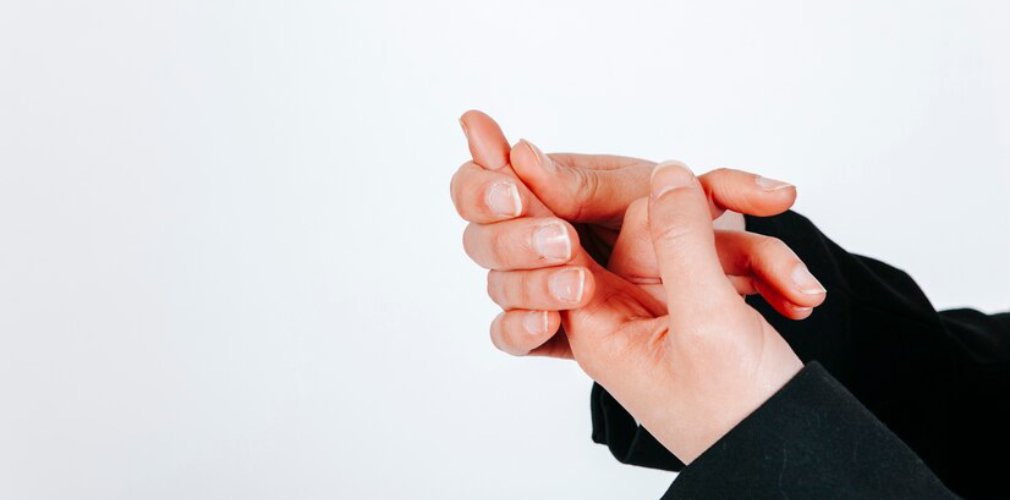
rigger finger is a condition that causes pain, stiffness, and a locking sensation when the finger is bent and stretched. The condition is also known as stenosing tenosynovitis. The ring finger and thumb are the most affected by the trigger finger, but the rest can also suffer some consequences. When the thumb is involved, the condition is called a trigger thumb.

Treatment

The initial treatment for a trigger finger is generally non-surgical and includes rest, splint, specific exercises, medications, steroid injection.

Surgery

If the finger does not improve with non-surgical treatment, surgery may be considered. The decision for surgery will depend on how much pain or loss of usefulness is in the finger. However, if the thumb is locked in a flexed or bent position, surgery is recommended to prevent permanent stiffness.

The surgical procedure for the trigger finger is called tenolysis or trigger finger release. The goal of the procedure is to release tissue sheaths which blocks tendon movement so that the flexor tendon can more easily slide through the tendon sheath. Typically, the procedure is done with a local anaesthetic injection to numb the area for surgery.

The surgery is performed through a small open incision in the palm or with the tip of a needle. Tissue sheath is divided (released) so that the flexor tendon can slide freely. Performing this procedure should not cause problems in the future.

What are the complications of trigger finger surgery?

The most common complications after trigger finger surgery may be:

  • Stiffness in the involved finger.
  • Inability to straighten the involved finger.
  • Temporary pain or swelling at the surgery site.

Less common complications include:

  • Persistent lock or click. This may indicate that there´s more tissue needing to be released or it could be due to another finger problem.
  • In a small number of cases, the tendon can tilt away from the bone, resulting in a reduced range of motion.
  • Infection.
  • Digital nerve injury. This can cause numbness or tingle in a part of the finger.
Recovery after trigger finger surgery

Most patients can move their finger immediately after surgery, although some pain in the palm of the hand is common.

Although the incision heals within a few weeks, it may take 4 to 6 months for the swelling and stiffness in the hand and fingers to clear up completely. If stiffness, swelling, or pain persists after surgery, the doctor may recommend you going to rehab.

Frequently Asked Questions

Recovery from trigger finger surgery usually takes several weeks, with patients experiencing initial discomfort, swelling, and stiffness. Gradual return to normal activities is possible with proper rehabilitation and follow-up care.

The downside of trigger finger surgery may include risks such as infection, stiffness, pain, or recurrence of symptoms. Additionally, there is a recovery period that may require temporary limitation of hand use, and in rare cases, complications like nerve damage or tendon injury may occur.

Doctors Specialising in Orthopaedics

Lorem ipsum dolor sit amet, consectetur adipiscing elit. Ut elit tellus, luctus nec ullamcorper mattis, pulvinar dapibus leo.

What is a Trigger Finger?

What is a Trigger Finger?

L

ith this curious name, perhaps many have imagined the position that the hand has when grasping a gun and pulling the trigger to shoot.
Well, you are right since that in trigger finger, the finger remains as you are imagining it: in general, when performing a complete flexion of the finger, the metacarpophalangeal joint remains in extension while the proximal and distal interphalangeal joints do manage to do some flexion.

What are the causes of trigger finger?

The cause is tenosynovitis of the tendon sheath of the superficial and deep flexor muscles of the fingers, which when inflamed can affect the tendon and form nodules, which prevents or hinders its passage through this tunnel.
The sheath can also thicken, so its diameter decreases, making it difficult for tendons to pass through it. Many times, when trying to extend the finger, the tendon can become stuck at the entrance to the sheath, and once it gets through the tunnel, a sudden extension of the finger may be experienced.

How does this inflammation occur?

Although the cause of the trigger finger is unknown, it is generally common in people with jobs or activities that involve repetitive flexion-extension of the phalanges, over a prolonged period of time, or in the face of intense external pressure.
It is also more frequent in women, in people with diabetes and rheumatoid arthritis, and in people between the ages of 40 and 60.

What are the symptoms of trigger finger?

In the presence of a trigger finger we can sometimes find:

  • A small lump in the palm of the hand.
  • Inflammation.
  • Pressure or paralysis of the finger joints.
  • Pain when flexing the involved finger.
In which cases is the trigger finger more frequent?

This involvement is frequent in both children and adults, however, it occurs mainly in:

  • People over 45 years of age.
  • Female sex.
  • It occurs mostly on the middle and ring fingers. However, on rare occasions, the thumb can also suffer.
  • People suffering from diabetes, rheumatoid arthritis.
  • People who perform tasks or activities that require a constant and repetitive grip with their hands, such as those people who work a long time on the computer.

Frequently Asked Questions

Treatment for trigger finger may involve rest, splinting, anti-inflammatory medications, or corticosteroid injections, with surgical release as an option for severe cases resistant to conservative measures.

The major cause of trigger finger is repetitive gripping or movement, leading to inflammation and narrowing of the tendon sheath in the finger or thumb.

If a trigger finger is not treated, it may worsen over time, leading to increased pain, stiffness, and difficulty in bending or straightening the affected finger. In severe cases, it may result in permanent finger locking or limited mobility.

Doctors Specialising in Orthopaedics

Lorem ipsum dolor sit amet, consectetur adipiscing elit. Ut elit tellus, luctus nec ullamcorper mattis, pulvinar dapibus leo.