
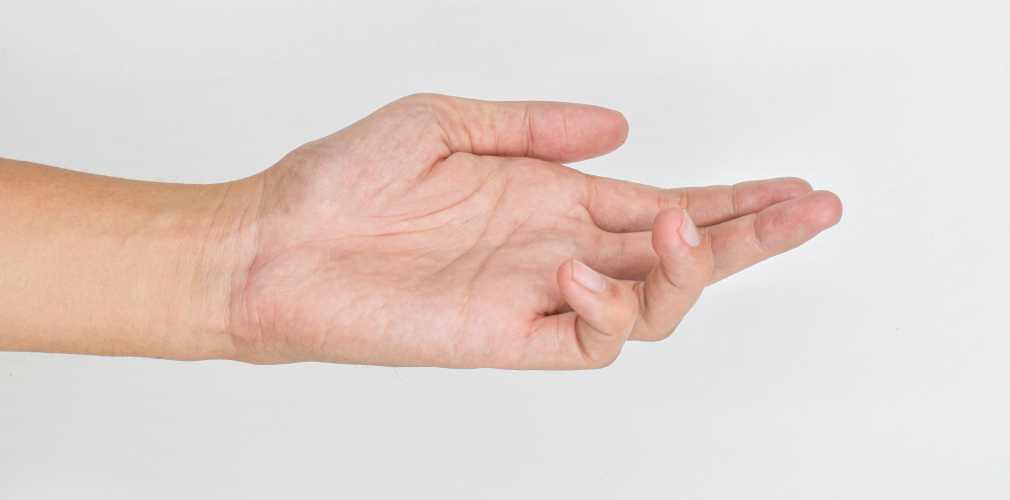
What are the treatment options for Dupuytren’s contracture?

What are the treatment options for Dupuytren’s contracture?

D

upuytren’s contracture is a condition of the hand where fibrotic tissue accumulates that causes a retraction of the flexor tendons and therefore the fingers are flexed. Guillaume Dupuytren (1831) was the doctor who described its pathological anatomy, clinical course and possible aetiology, in addition to proposing a treatment. It is retractable sclerosis of the palmar fascia, this flexion contracture generates disability due to the loss of the basic functions of the hand. It is more frequent in men, especially manual workers and usually has a family inheritance although little is known about its real causes. It affects more the ring and little fingers and more rarely the thumb. In 40%-65% of patients, the disorder is bilateral (in both hands).

Signs and symptoms of Dupuytren’s contracture

One or both hands may be affected, the ring finger is affected more frequently, followed by the little finger, the middle finger and the index finger. A small, painless lump develops in the tissue under the skin on the palm side of the hand. Over time, it thickens and forms a cord-like band. It becomes difficult to extend or straighten the fingers. In severe cases, stretching them is impossible, therefore the only solution is a surgery called Fasciectomy.

Dupuytren’s contracture surgery

Any Several experts agree that partial fasciectomy is the only valid treatment for Dupuytren´s contracture, which refers to excision of diseased and thickened fascial tissue, generally in longitudinal and zig-zag incisions (in the case of multiple compromised fingers). Complete fasciectomies involve removing the entire palmar fascia, it is indicated in advanced contractures. Post-operative rigidity is frequent due to hematoma and oedema, therefore early passive mobilizations are indicated.

Treatment of Dupuytren’s contracture

Physiotherapy is the best way to go in a post-operative Dupuytren’s contracture since effective results have not been shown with conservative treatment. There is no proven effective non-surgical treatment method, such as vitamin E intake, and local steroid injection, electrotherapy, in addition to ultrasound, they are not beneficial.

Application of stretches of the contracted “cord” have not shown good results. Some experts propose the continuous extension technique by placing a tutor or external fixator, which exerts passive traction on the finger and which was initially used in isolation but it is currently used as a pre-surgery treatment for severe digital retractions.


The post-operative physiotherapeutic objectives for Dupuytren’s disease

1. Minimize the effects of oedema and healing adhesions.
2. Maintain the extension of the interphalangeal and metacarpo-phalangeal joints achieved in surgery.
3. Recover the flexion of the fingers.
4. Recover the strength and resistance of the hand (Intrinsic and extrinsic muscles).
5. Active and passive exercise program to maintain hand mobility.
6. Exercise program with specific functions of the hand (gripper, grip, opposition, and others ..)

The rehabilitation and physiotherapy program must be applied after all hand surgery, including this pathology. Failure to attend physiotherapy and rehabilitation sessions results in failure of the surgery and the inadequate restoration of functions.
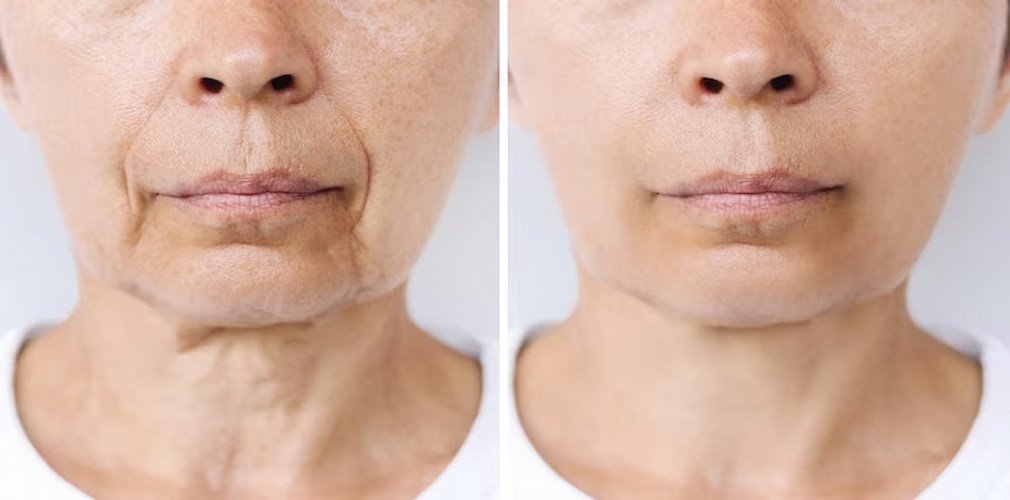
FaceLift Surgery – Rhytidectomy

FaceLift Surgery – Rhytidectomy

A

s we age, the effects of gravity, sun exposure, and the stress of daily life are felt on our faces. Deep grooves form between the nose and mouth; cheeks droop; fat and wrinkles appear around the neck.

Facelift is a procedure intended to tighten the facial and cervical skin in order to reduce folds or wrinkles. The bone structure of the face, the musculature and the skin texture undergo an involutional process over the years.

The facelift can be performed in isolation or associated with other procedures such as blepharoplasty or rhinoplasty. The forehead lift corrects the drooping of the eyebrows and the wrinkles on the forehead and eyebrows.

Who is the ideal candidate to undergo a facelift?

The ideal candidates to undergo a facelift surgery are those women or men whose face and neck begin to become loose, but whose skin still retains some elasticity. Most patients are between the ages of 40 and 60, but it can also be successfully performed between the ages of 70 and 80. A facelift can make you look younger and increase self-confidence, but it will not give you a completely different look, nor can it restore your health or vitality. Before deciding whether to have a rhinoplasty, think about what you want to achieve and discuss it with your plastic surgeon.

Postoperative period

After surgery, and especially during the first 24 hours, you may feel a swollen face, nose discomfort and headache, which subside with medication. You must lie with your head elevated for the first day (except to go to the bathroom). You will notice that the swelling and bruising around the eyes increase to a maximum within 2 or 3 days. Applying cold compresses will decrease the swelling and you will feel better. In any case, you will feel better than you might seem from your looks. Most bruising and swelling will go away in about 2 weeks (minimal swelling, practically only noticeable by your surgeon, may last for a few months). It is normal for light bleeding from the nose to occur during the first few days. After a week, or at most two, the plaster will be removed, and the skin spots, if any.

Risks of facelift

When the facelift is performed by a qualified plastic surgeon, complications are infrequent and of little importance. However, each person has specific anatomy, physical reactions and different healing abilities, and therefore the results are not absolutely predictable. There may be some complication, such as bruising, almost always temporary injury to the nerves that control the facial muscles, infection, and reactions to anaesthesia. Scarring problems are more common in smokers. Risks can be minimized by carefully following your plastic surgeon’s instructions, both before and after surgery.

Results

The results are very satisfying and you will feel happy as long as you understand that the result is not immediate. Even after the swelling and bruising are gone, the hair around the temples may be fine and the skin somewhat dry and rough for a few months. The facelift scars will be hidden behind the hair and in the natural folds of the face; in any case, they will decrease with time, becoming less visible.
A facelift does not stop the clock; your face will continue to age as time goes by, and you may even want to undergo a new facelift after 5 or 10 years. However, the results are long-lasting.

Doctors Specialising in Spine Care